Archetypes and Tricksters

Some of you know, I’m the CEO of Fictionary.co. We have ton of free resouces to share including blogs written by Fictionary Certified StoryCoach editors. These editors are all trained in the art of story structure.

This week the blogs are all about archetypes, a character who appears in stories across years and cultures.

Polly Watt explains how to write the outlaw archetype, a character who exists outside of society. Think Robin Hood, Captain Jack Sparrow, and Jamie Fraser.

Brandi Badgett delves into the world of trickster archetypes.  Tricksters are intelligent, witty, and often provide a spark of comic relief. Think of the Mad Hatter, Peter Pan, and Fred and George Weasley. 

With Kindness,

Kristina

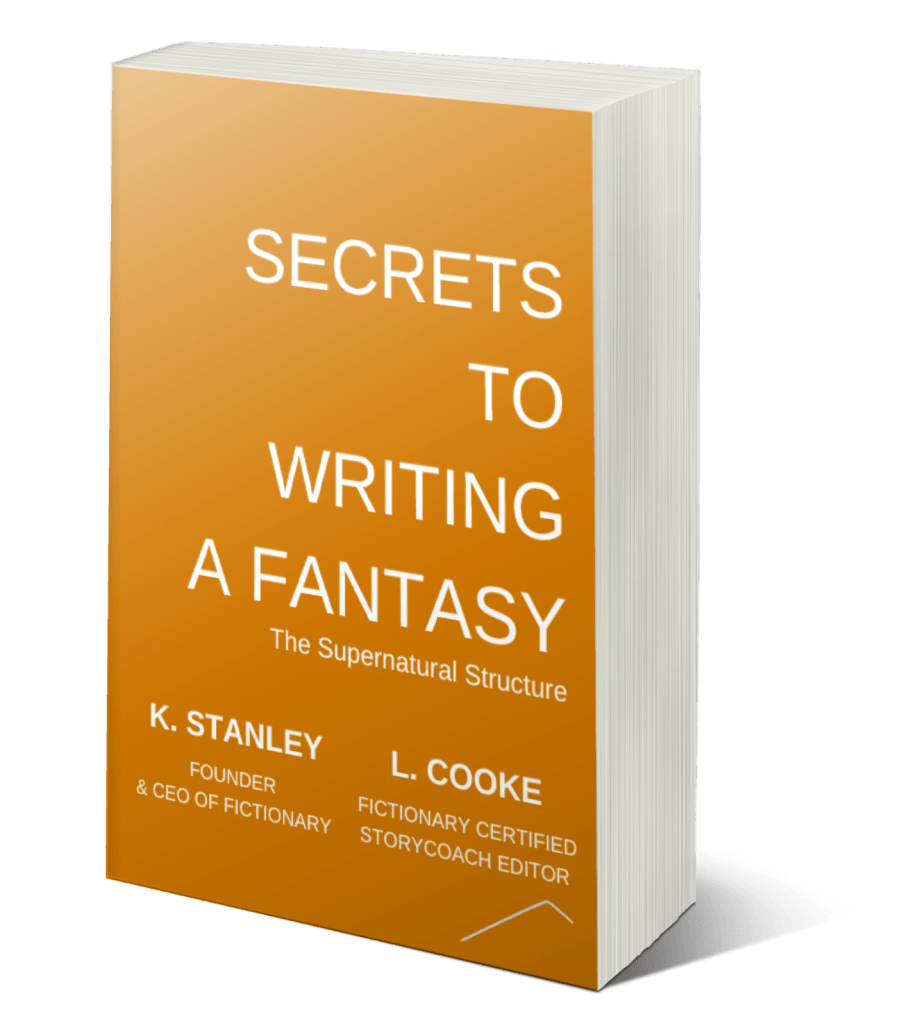
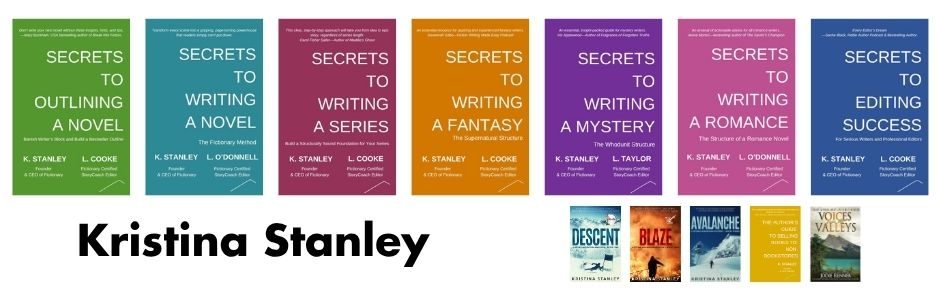
New Release: Secrets to Writing a Fantasy

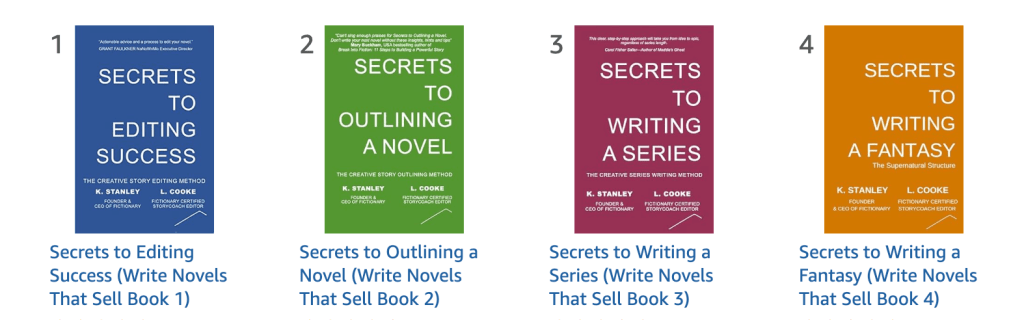
The latest book in the Write Novels that Sell series is now available.

Unlock the secrets to writing a bestselling fantasy novel. This book reveals the intricate structure specific to fantasy novels, showing you the essential elements that make these stories captivating and engaging.

The following books have entertained millions of readers, and we show you why. 

  • Fourth Wing by Rebecca Yarros
  • Twilight by Stephenie Meyer
  • The Unbroken by C. L. Clark
  • A Court of Thorns and Roses by Sarah J. Maas
  • Legendborn by Tracy Deonn
  • Game of Thrones: A Song of Ice and Fire by George R. R. Martin

Discover the scenes readers expect in commercially successful fantasy novels. Create an external and supernatural story arc. Learn how the story arcs are woven together to drive a story forward.

You’ll be guided through an actionable, flexible process, so you can build the foundation of your fantasy novel and write your story as you read this book.

As with all the books in the Write Novels that Sell series, we give you the theory—the why behind our recommendations—and you use the actionable advice to write and edit your novels.

You can buy your copy here.

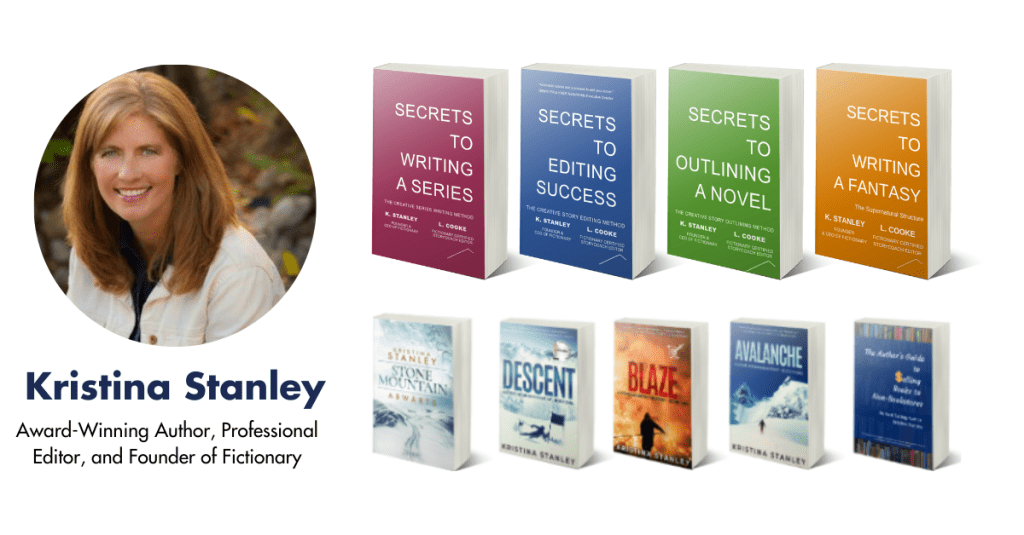
Also available by K. Stanley

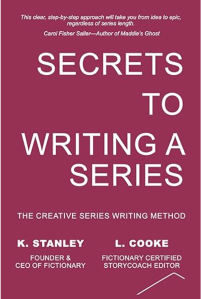
New Release: Secrets to Writing a Series

Unlock the secrets to creating an unforgettable series readers can’t put down. 

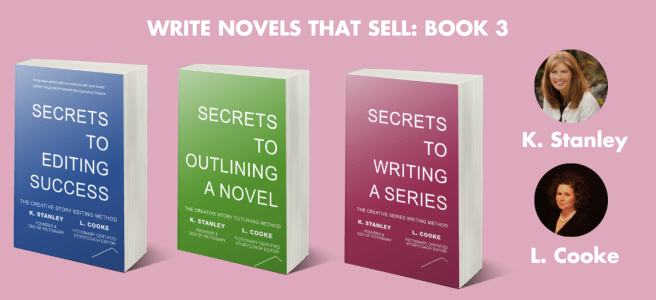
L. Cooke and I are thrilled to announce book #3 in Write Novels That Sell. “Secrets to Writing a Series” (eBook) is here! 

The eBook edition of Secrets to Writing a Series is available here.

The Book Description Reveal

Ready to see what this book is all about? Here’s the lowdown…

In Secrets to Writing a Series, we’ll share the secrets you need to take you from an idea to a series readers love.

We’ll guide you through an actionable process, so you can set up your series and write it as you read this book.

You’ll learn:

  • Differences between writing a standalone novel and a series.
  • Decisions you should make before writing that will set you up for a successful series.How to choose what type of series you’ll write.
  • How to test if your story idea is strong enough to support a series.
  • How to start and finish a novel within a series to keep readers hooked.
  • How to use backstory within a series to excite your readers.
  • And much, much more

You’ll create:

  • A framework for your series.
  • Your series uniting factor.
  • Blurbs for at least three books in your series.
  • Story arc patterns that unite the novels in your series.
  • Your protagonist and point of view strategy that connects your readers to your characters.
  • Your series vault that you’ll use to write every novel in your series.

As with all the books in the Write Novels that Sell series, we give you the theory—the why behind our recommendations—and you use our actionable advice to write your novels.

Use Secrets to Writing a Series and turn your series dream into successful novels.

The eBook edition of Secrets to Writing a Series is available here.

Praise for Secrets to Outlining a Novel

Praise for the Write Novels that Sell Series

Praise for Secrets to Writing a Novel.

“The clear, step-by-step approach of Secrets to Writing a Series will take you from idea to epic, regardless of series length.”

Carol Fisher Saller, Editor & Author of Maddie’s Ghost

“Secrets to Editing Success is every editor’s dream. Whether you’re a new author reviewing your first book or professional editor, this is without doubt, the most comprehensive and detailed guide to editing I’ve ever had the pleasure of reading. This book will hold your hand, explain, clarify and give you step by step instructions for editing your novel. Paired best when using the incomparable developmental editing software Fictionary, this guide will change your editing life. Read it. Immediately.”

Sacha Black, Rebel Author Podcast

Praise for Secrets to Outlining a Novel: The Creative Outlining Method

“A fresh, actionable, step by clear step approach to creating a story outline that produces amazing results! Can’t sing enough praises for Secrets to Outlining a Novel. Don’t write your next novel without these insights, hints and tips.”  

Mary Buckham, USA bestselling author of Break Into Fiction: 11 Steps to Building a Powerful Story

“Writing a book is a huge (and scary) task. In Secrets to Outlining a Novel, Kristina and Lucy have demystified the process, breaking it down into approachable, bite-size pieces that help you understand outlining at both a macro and micro level.” 

Where can you get it?

https://mybook.to/WritingASeries

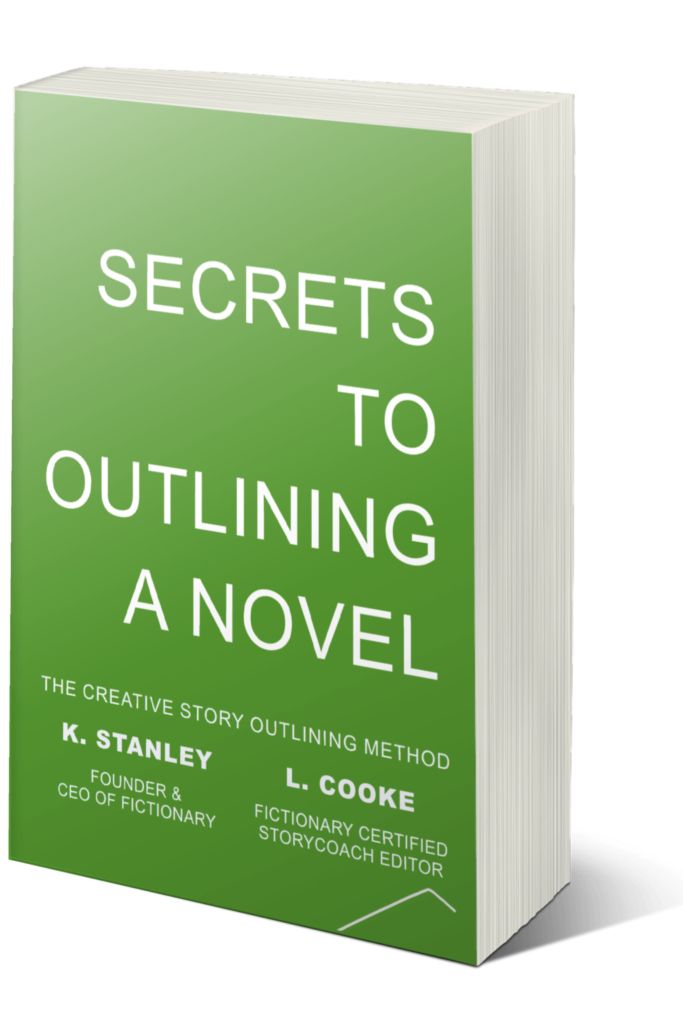
New Release: Secrets to Outlining a Novel

Would you like to get faster at outlining your books? Faster at going from an initial idea to a story that is ready for you to write? Faster at creating your next bestseller?

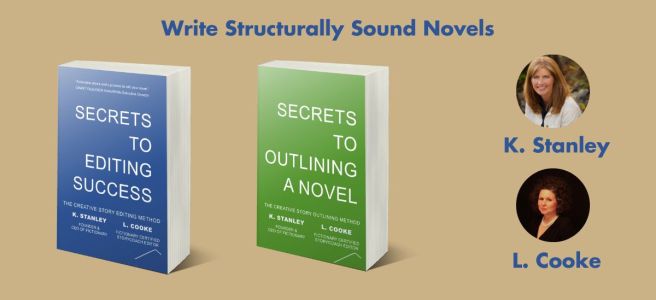
L. Cooke and I are super excited to announce the release of our second book in the Write Novels That Sell series.

The eBook edition of Secrets to Outlining a Novel: The Creative Story Outlining Method is available on Amazon. You can find it on other online sites here. The print edition is coming on October 1st, 2023.

As you read each chapter, you’ll create your outline. By the end of the book, you’ll be ready to write your draft.

We share a secret process that unlocks story creativity. You’ll learn how to: 

  • Structurally outline your story.
  • Find the fastest, most comprehensive route to a successful outline.
  • Create a process that you can use repeatedly to create structurally sound outlines for all your story ideas.

We share an actionable process. Your story will be unique, spectacularly your own, AND structurally sound. You’ll build an outline and create a framework for writing a well-loved story.

Using the step-by-step process in Secrets to Outlining a Novel, you will know your story has a strong story structure.

Use Secrets to Outlining a Novel to outline your next bestseller!

Praise for Secrets to Outlining a Novel

“Writing a book is a huge (and scary) task. In Secrets to Outlining a Novel, Kristina and Lucy have demystified the process, breaking it down into approachable, bite-size pieces that help you understand outlining at both a macro and micro level.”

Hayley Milliman, Head of Education, ProWritingAid.

Where can you get it?

https://mybook.to/OutliningANovel

Get $1400+ in romance writing resources for just $49

Attention Romance Writers!

Get over $1400 in writing resources for just $49

For the first time, Fictionary is taking part in InfoStack’s Romance Writers’ Super Stack. This means that you will get three months of Fictionary StoryTeller AND 20+ books, courses, and software for just $49.

Act fast because this offer expires on April 11 at 11:59pm PST

Buy the bundle here.

Note: The bundle is available to everyone, but the three months of Fictionary is for new Monthly Fictionary StoryTeller subscribers only. If you already have a Fictionary subscription but still want to get the bundle for all the other excellent resources, you are welcome to gift the three months of Fictionary to a writing friend.

What will I get with the stack?

The Romance Writer’s Super Stack is a collection of training, tools, and resources curated especially to help you craft a page-turning romance, build heart-pounding tension, and create swoon-worthy characters.

There are over 30 experts participating, and you’ll find some of our favourites listed below:

Rebecca Hamilton’sFirst Chapter Challenge7-day Challenge | Value: $99

7 days of knowledge-sharing lessons & action-taking tasks to help you write riveting first chapters that convert readers into buyers.


Jan-Andew Henderson’sWhirlwind RomancesWriting Course | Value: $200

Jan is the winner of The Royal Mail, Doncaster and Aurealis Awards and the author of 36 books. In this course you’ll learn how to keep your reader turning pages.


Dr Donna Jennings’How to Write Scenes with SexMasterclass | Value: $150

Discover a holistic and sex-positive framework to help you approach human sexuality with self-assurance throughout your story and not just in a scene with sex.

Jen Graybeal’s Indie Author’s Guide to Indie EditorsMasterclass | Value: $25

Learn everything you need to know about finding, hiring and working with freelance editors; as well as money saving tips and the insight you need to determine if the relationship is not working.

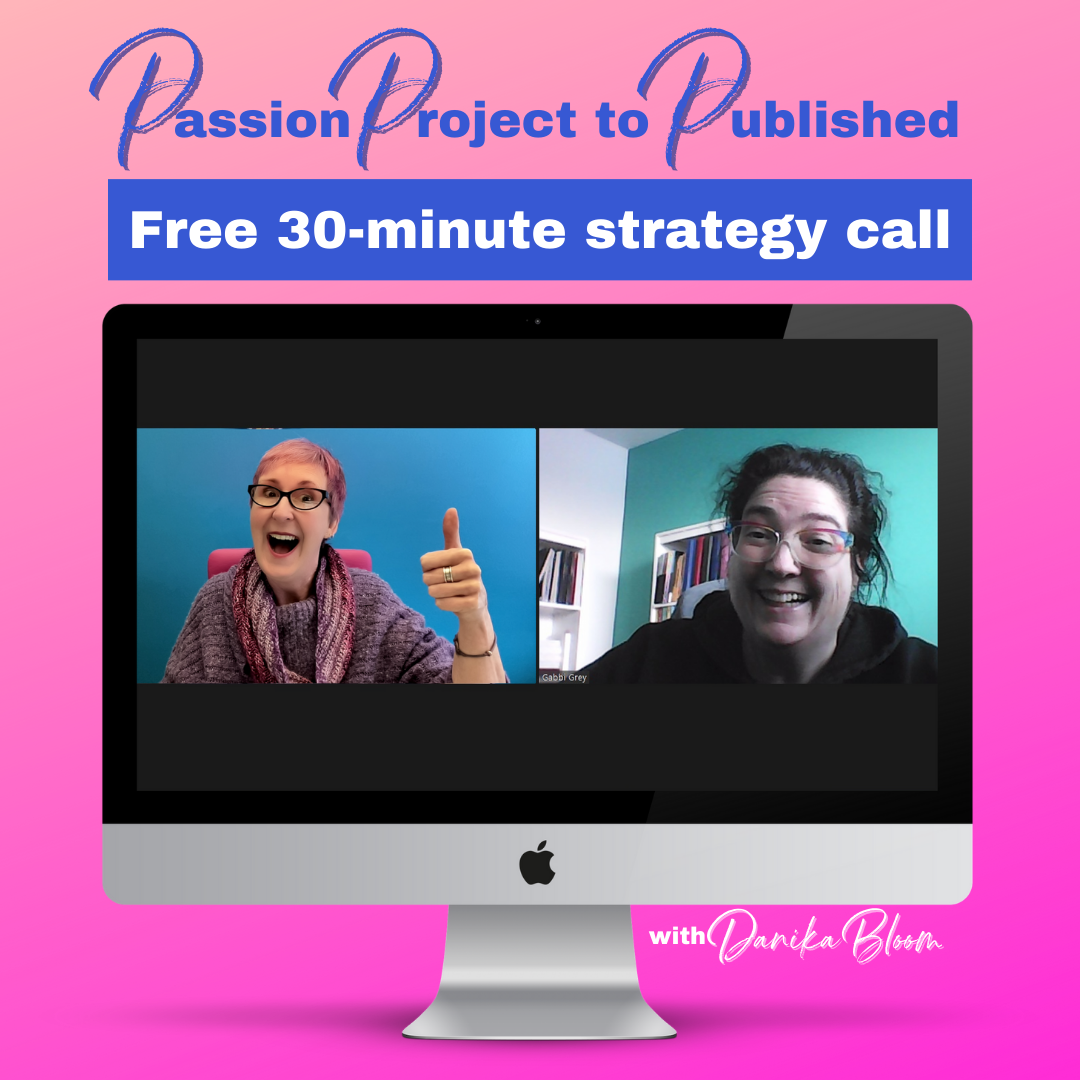
| Danika Bloom’sPasstion Project to Published30 Minute Strategy Call | Value: $100


Danika Bloom, Founder of Author Ever After, will assess your current situation and help you identify the next key steps to make your dream of publishing a reality.

Want to know more?

Click the HERE to learn about all the resources included in this bundle that we think will help you :

❤️‍🔥 Build sizzling tension and conflict that keeps the pages turning
🌶️ Write spicy scenes with the expert insight of a sex coach and writer
💥 Craft swoon-worthy stories readers will love
🤩 Create a romance series that turns readers into fans
🥰 Bring your characters to life and give them a love story with heart

Just so you know, we’re sharing The Romance Writer’s Super Stack as an affiliate, so when you use our link to buy, Fictionary will get a small percentage of the proceeds at no extra expense to you. That money will go right back into the software and the community to create more resources and events to help you become a better writer. Win/Win!

Happy romance writing to you!

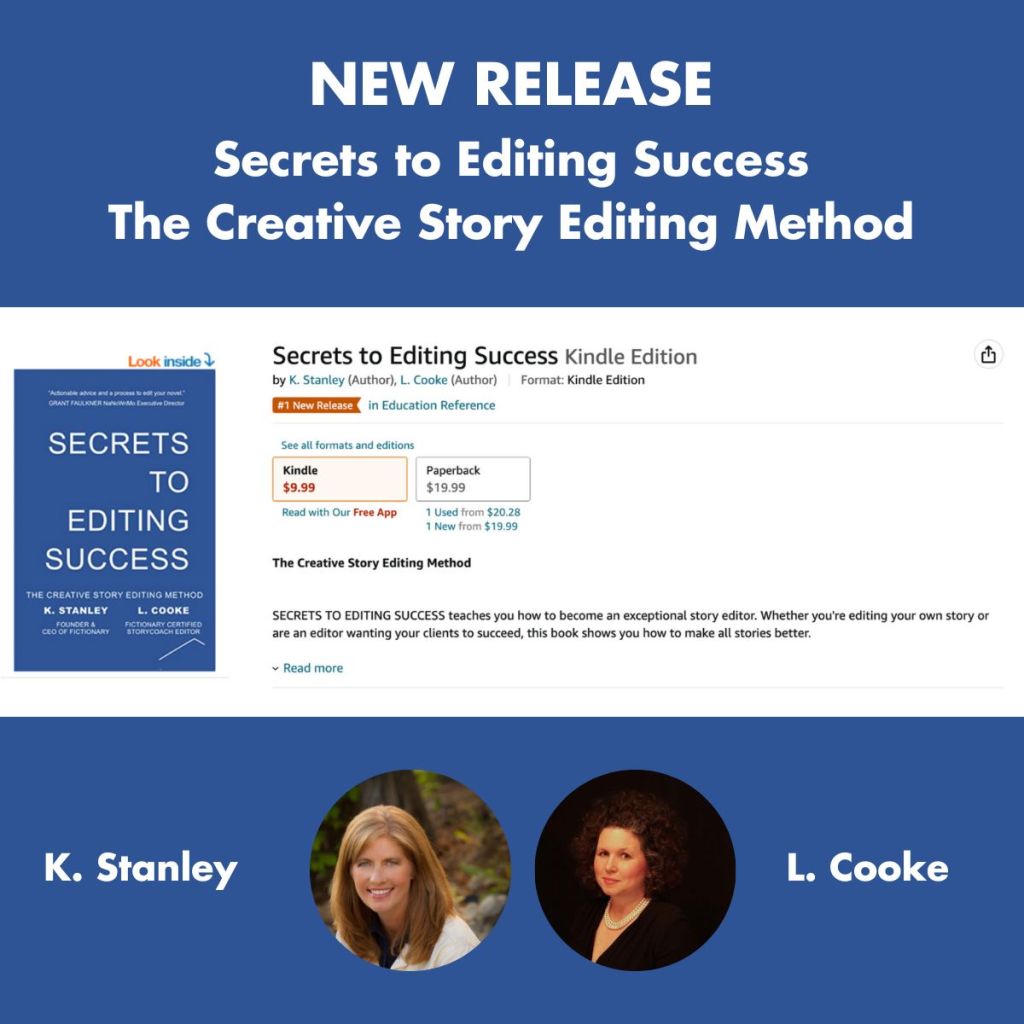
New Release: Secrets to Editing Success

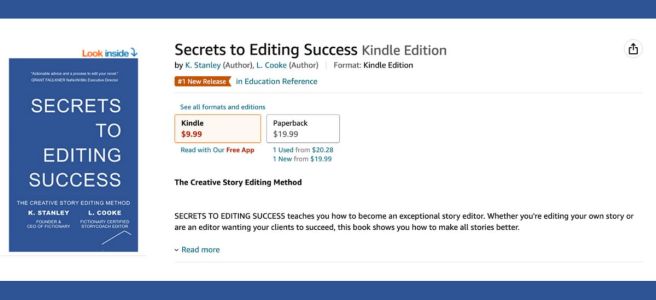
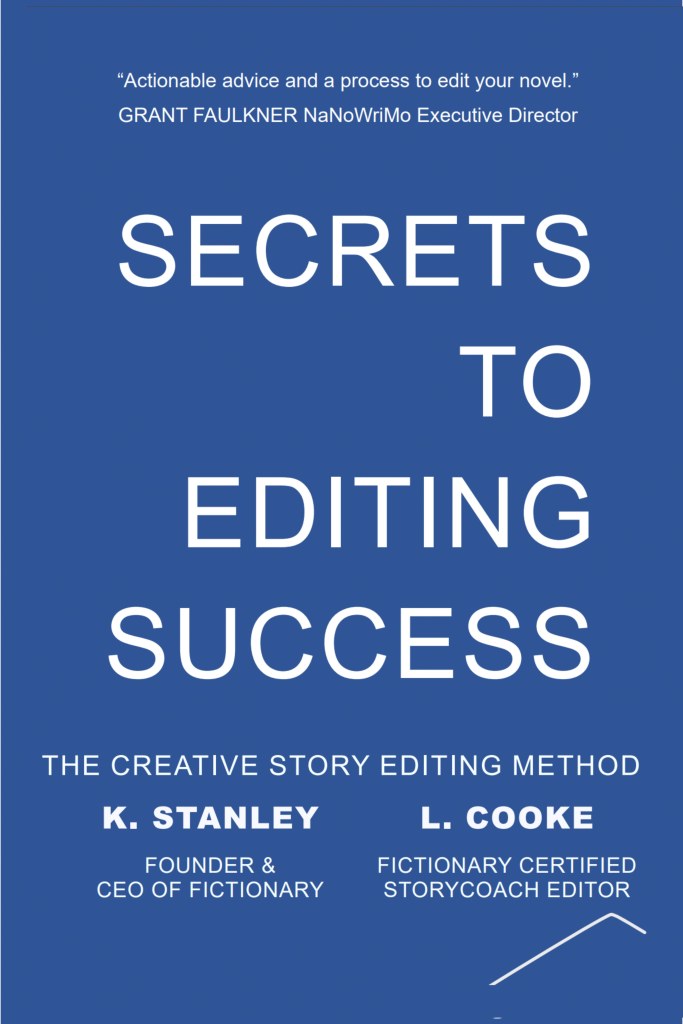
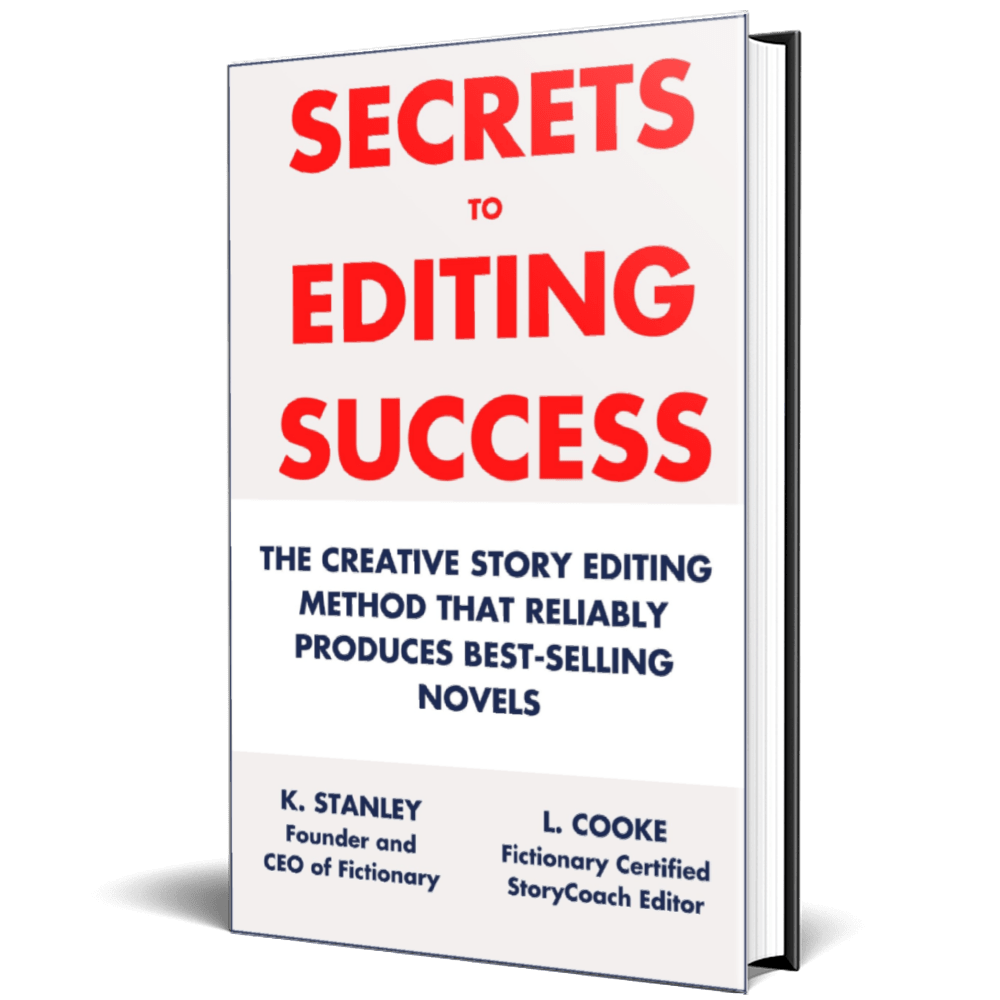
Lucy Cooke and I pressed the button to send SECRETS TO EDITING SUCCESS: The Creative Story Editing Method book off into the world.

We both hope SECRETS TO EDITING SUCCESS will help everyone with their first draft. By having the creative story editing process laid out in a clear manner, we know we can help writers and editors everywhere. And you know, we love to help writers and editors.

SECRETS TO EDITING SUCCESS teaches you how to become an exceptional story editor. Whether you’re editing your own story or are an editor wanting your clients to succeed, this book shows you how to make all stories better.

In SECRETS TO EDITING SUCCESS, you will learn how to structurally edit a manuscript starting by evaluating at the story level and then focusing at the scene level, resulting in actionable advice.

SECRETS TO EDITING SUCCESS shows you the fastest, most comprehensive route to a successful story edit. You’ll discover the Fictionary Story Editing process and use the 38 Fictionary Story Elements.

GIVE YOUR DRAFT A CREATIVE STORY EDIT, SO IT OUTPERFORMS THE OTHER GREAT BOOKS BEING PUBLISHED TODAY. USE SECRETS TO EDITING SUCCESS WELL TO EDIT ANY NOVEL INTO A BESTSELLER.

Praise for Secrets to Editing Success

“One of the most frequent questions a novelist asks is “Does my draft contain a story?” Stanley and Cooke have written a practical guide that shows you how to answer that question. Secrets to Editing Success gives you actionable advice and a process to edit and revise your novel so that you can take your novel draft and turn it into a publishable book.”

Grant Faulkner, Executive Director of National Novel Writing Month

“Secrets to Editing Success is every editor’s dream. Whether you’re a new author reviewing your first book or professional editor, this is without doubt, the most comprehensive and detailed guide to editing I’ve ever had the pleasure of reading. This book will hold your hand, explain, clarify and give you step by step instructions for editing your novel. Paired best when using the incomparable developmental editing software Fictionary, this guide will change your editing life. Read it. Immediately.”

Sacha Black, Rebel Author Podcast

When we wrote the book, Kristina Stanley was the most generous co-author you can imagine. And being writers, you all have the best imaginations! Can you imagine how lucky I am? And all because I attended the Fictionary StoryCoach Certification Program in the fall of 2021! That’s where I met Kristina.

While we wrote the book, we had such fun enthusiastically exploring the Fictionary Story Elements. You may have noticed the 50,000 word drafting diary. It took a year of collaborating to create this, and most of what is in the drafting diary are discussions on how to best present the information to make it actionable for the reader.

Where can you get it?

https://mybook.to/editingsuccess

We Typed The End!

L. Cooke and I spent this last year writing Secrets to Editing Success: The Creative Story Editing Method That Reliably Produces Best-Selling Novels

Our hearts and minds went into creating this book together. It’s the first time either of us have co-authored a book, and it was an amazing experience. We ended at over 81,000 words of editing advice.

We’re going to share our publishing journey with you until launch day. Today, we’re sharing our draft cover and draft blurb. And we’re celebrating typing “The End.”

What’s It About?

SECRETS TO EDITING SUCCESS teaches you how to become an exceptional story editor. Whether you’re editing your own story or are an editor wanting your clients to succeed, this book shows you how to make all stories better.

In SECRETS TO EDITING SUCCESS, you will learn how to structurally edit a manuscript, starting by evaluating at the story level and then focusing at the scene level, resulting in actionable advice.

SECRETS TO EDITING SUCCESS shows you the fastest, most comprehensive route to a successful story edit. You’ll discover the Fictionary Story Editing process and use the 38 Fictionary Story Elements.

Give your draft a story edit to outperform the other great books being published today. Use SECRETS TO EDITING SUCCESS to edit any novel into a bestseller.

Fictionary Book of the Year Award

Many of you know that besides being a writer, I’m also the CEO of Fictionary. This year Fictionary is doing something new (and I think special) for writers.

The following is reposted from Fictionary.co.

Our goal is to recognize and promote writers who are dedicated to the process of great story telling. The Fictionary Book of the Year Award – for unpublished books edited in StoryTeller – is designed to do just that.

We will award the honour to the best unpublished YA/Middle Grade novel and best unpublished adult novel.

Fictionary is all about celebrating writers and their work. The number of successful award winning authors and bestselling authors who contact us, saying that they edited their books in Fictionary is phenomenal.

And here at Fictionary, we want to increase that number.

We writers should support one another, and what better way than a Fictionary Book of the Year Award. To celebrate the launch of the Fictionary Community, we are also launching the first Annual Fictionary Book of the Year Award.

So how do you win the book award?

Get editing in Fictionary Storyteller. A great story is made up of a collection of great scenes structured in a compelling order.

Fictionary shows you how to use the 38 Story Elements to create remarkable scenes, link them together, and finish a novel. Make sure you have all the Fictionary Elements of a story on show, tidied up, and structurally sound.

Who is judging?

The Judges are all Fictionary Certified StoryCoach Editors, and they will be choosing the work that hits all the Fictionary Story Elements.

Where to get help?

In the Fictionary Community there will be loads of posts — so get stuck in — ask questions about the elements, discuss, figure out how to get your story ready. With Fictionary, every author can powerfully edit their manuscript into a powerful story, a prize-winning story.

To Submit a Manuscript

A writer must have edited their novel in Fictionary StoryTeller, join the Fictionary Community, and submit:

  1.  A blurb: Maximum 250 words. The blurb must answer
    1. Who is the protagonist?
    2. What is the main story goal?
    3. What is at stake?
  2.  A synopsis: Maximum 500 words. The synopsis must show the inciting incident, plot point 1, middle plot point, plot point 2, and the climax.
  3. First scene or chapter: Maximum 2000 words.

We’re here to help you prepare. The links to the blurb and synopsis teach you how to write a blurb and a synopsis. Full rules and guidelines are in the Fictionary Community.

After 5 novels are shortlisted in each category, these authors will submit their entire manuscript.

The book award prizes include:

A chance to be read by Writers House Literary Agency.

For the Winning Manuscripts:

  • Full StoryCoach edit by a Fictionary Certified StoryCoach editor including 3 hours of one-on-one consulting time. (Value $2700 USD)
  • Full manuscript read-through by Lindsay Auld, Agent at Writers House Literary Agency for the Young Adult/Middle Grade category winner.
  • Full manuscript read-through by Andrea Morrison, Senior Agent at Writers House Literary Agency for the Adult category winner.
  • One-year subscription of a StoryCoach client account (Value $288 USD).

Join the community to see the great prizes for shortlisted manuscripts.

The Fictionary Community

Why join?

  • Connect with other writers and editors
  • Get your editing questions answered by Fictionary Certified StoryCoach editors
  • Access free, live editing classes presented by editing experts
  • Learn about all things Fictionary: product updates, videos, webinars, best practices
  • Enter your unpublished novel in the Fictionary Book of the Year Award
  • Attend live events to practice writing a blurb and a synopsis.

Join the community to enter your manuscript in the Fictionary Book of the Year award and find out more about submission dates and rules, and the bonus prizes we have for the shortlisted manuscripts.

Free Webinar: How to Structure a Novel into Chapters and Scenes

Do you need to know who many scenes should be in a chapter? Or perhaps how to group scenes in a chapter?

We’ve invited JoEllen Taylor, CEO of First Editing, to talk about the importance of structuring a novel into chapters and scenes and how to do that to ensure a story is powerful.

Join us Friday, May 21, 2021 10:00 AM (EDT).

We’ll cover:

  1. Definition of a draft novel
  2. Target word count for genres
  3. What a scene is
  4. How to structure scenes
  5. What a chapter is
  6. How to structure chapters
  7. Common issues
  8. How is technology impacting structure
  9. Tips to format like a professional

Join us and bring your questions!

StoryTeller is creative editing software for fiction writers. Transform your story, not just your words. Successful stories depend on your ability to edit, improve, and revise your work. Only when you master story editing, can you master storytelling.

Why not check out Fictionary’s StoryTeller free 14-day trial and tell powerful stories?
When you subscribe after your two-week free trial, , you get the Fictionary Story Editing Masterclass for free.

Why is the Story Arc Important?

Story Arc

Whether you’re a writer or a story editor, you must understand why the story arc is important and how to check if a story is following this time-proven form. I have to confess, I love the story arc. It fascinates me that something can work for the human brain since stories were first told. Since before anyone knew what a story arc was.

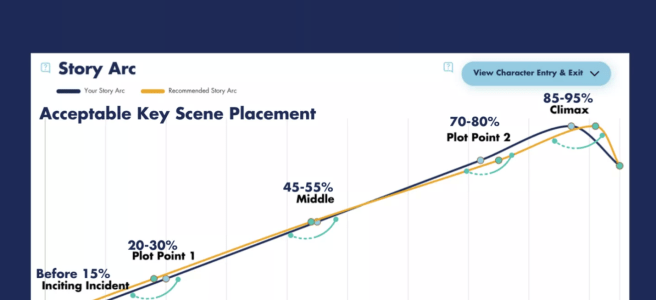
Five important scene make up the story arc : the Inciting IncidentPlot Point 1, the Middle, Plot Point 2, and the Climax. For the story to be powerful, these scenes must appear in the right place of a story.

If the incident comes too late, the reader will get bored.

If plot point 1 is too close to the middle, the story will feel rushed.

If the Climax is too late, the resolution won’t satisfy the reader.

All bad things.

Monsters are also bad. So let’s do some time traveling and look at two monster stories. One ancient. The other modern. One an epic poem. The other a novel.  Both HUGELY successful.

History of the Story Arc

Let’s go way back into the past. All the way to circa 750 t0 700 BC when is it believed Beowulf was written. It’s an epic poem with 2669 lines. I used the translation of J.R.R. Tolkien edited by his son Christopher Tolkien and published by Harper Collins (2016) to analyze the poem from a story arc perspective.

Beowulf is the oldest surviving epic in British literature. Normally I write about novels, but novels didn’t exist back then. The long form of a story was a poem, often spoken instead of read.

Beowulf takes place in Denmark, where a monster terrorizes the people. Grendel is his name. Beowulf is the hero of the story and goes on a quest to destroy Grendel.

Beowulf Narrative Arc

Beowulf Story Arc Scenes

Inciting Incident: Line 279: 10% into the story.

Beowulf has heard stories of a monster who walks the night. A watchman allows Beowulf to pass into a kingdom, and Beowulf’s ordinary life is changed. He’s on his way to help King Hrothgar fight the monster.

Plot Point 1:  Line 665: 25% into the story.

Beowulf kills the monster, Grendel. This causes Grendel’s mother to seek revenge.

So far, so good. The key scenes are fitting perfectly on the story arc most used today.

Middle: Line 1315: 50% into the story.

You can tell I’m getting excited by this point. I wasn’t sure what the results of my analysis would be when I started out on my adventure to study the story arc more deeply.

At the middle, Beowulf kills Grendel’s mother.

Plot Point 2: Line 1958: 73% into the story. Right within range!

Beowulf learns his home is being ravaged by dragons. He’s at rock bottom. He left his home to help others, and now his home is paying the price.

Climax: Line 2260: 85% into the story.

Beowulf fights the dragon and at the end of the climax, he kills it.

The story starts with a funeral and ends with a funeral. It starts with a monster killing people, and ends with a person killing a monster. Perfect symmetry. Beowulf has been around forever for a reason.

The Modern Story Arc

Now let’s time travel forward 2700 years or so. We come to Twilight. Written by Stephanie Meyer. Published in 2008 by Harper Collins. I analyzed Twilight based on word count, not line count as I did with Beowulf.

Twilight was extremely commercially successful. This may or may not be the genre for you, and whether you liked the story or not isn’t the point. The point is a story has a better shot at being commercially successful if it follows the story arc.

Twilight Narrative Arc

Twilight’s Story Arc Scenes

Inciting Incident: 10% into the story.

Bella has already met Edward. This leads up to the inciting incident where Edward saves Bella from being killed in a parking lot. She gets her first glimpse of his powers and is set on her path of discovering more about him.

Plot Point 1: 25% into the story.

Bella suspects that Edward is a vampire, but she decides to pursue him anyway. Edward has emotional power over Bella.

Middle: 50% into the story.

Edward reveals his true powers as a vampire to Bella. He saves her from an attack, and this strengthens how she feels about him.

Plot Point Two: 75% into the story.

A bad vampire goes after Bella, and Bella must leave her home. Bella wants to survive, but not if it means risking those she loves.

Climax: 90% into the story.

The vampire lures Bella into a trap. She faces down the evil vampire and gets injured.

Can You Still Write a Unique Story?

Following the form of the story arc doesn’t mean the story isn’t unique. Of course it is. You are a unique person, and you wrote it. No one else can write the same story. My goal is to give you the best chance of writing a story people love.

Beowulf and Twilight are both about monsters, but they are very different stories.

And that my is my story of what the story arc is important.


Logo

StoryTeller is creative editing software for fiction writers. Transform your story, not just your words. Successful stories depend on your ability to edit, improve, and revise your work. Only when you master story editing, can you master storytelling.

StoryTeller draws a recommended story arc and draws the story arc for your story. You can see how to improve the structure of your story within seconds.

Why not check out Fictionary’s StoryTeller free 14-day trial and tell powerful stories?