You know I love to write, but I also love to edit. I’m thrilled to announce Fictionary’s Story Editing Course. Try it, and maybe you’ll love to edit too!

Think about some of the best novels you’ve read. What do you remember?
Like me, you probably recall a compelling character like Jason Bourne, the intriguing plot told in Gone Girl, or the fantastic settings depicted in The Game of Thrones. You remember the story.
Combining Fictionary (a self-editing tool for fiction writers) with an online course seems like a great way to give authors the knowledge and process needed to complete their own story edit.
If you’ve finished that first draft and aren’t sure what to do next, we’ve got a solution.
Announcing the Fictionary Story Editing Course
To receive the first two lessons, all you have to do is sign up for a free trial of Fictionary. No credit card required. No obligations.
The full 14-lesson course is included with a Fictionary subscription.
Lesson Plan
- Lesson 1: How To Use Fictionary To Make Your Story Work
- Lesson 2: Characters And Novel Structure
- Lesson 3: How To Improve Your Plot
- Lesson 4: How To Improve Your Settings
- Lesson 5: How To Use Word Count To Evaluate Your Scenes
- Lesson 6: Connect Your Readers To Your Characters
- Lesson 7: Make The Most Of Your POV Characters
- Lesson 8: Story Arc And Engaging Your Readers
- Lesson 9: Finding Plot Holes
- Lesson 10: Draw Your Readers Into and Out of Each Scene
- Lesson 11: Maximize Your Use of Tension And Conflict
- Lesson 12: Check For An Empty Stage
- Lesson 13: Keep Your Timeline Clear
- Lesson 14: Bringing It All Together
Lesson 1: How To Use Fictionary To Make Your Story Work
Fictionary can identify and help you fix problems within your manuscript by focusing on the structure of your story, not on the words. In lesson one, we’ll tackle these critical structural areas:
- Pacing
- Character names and appearances
- Point of view characters and goals
- Story arc
- Plot holes (scenes without a clear purpose)
- Flow from scene to scene
- Absence of tension or conflict
- Empty stage syndrome
- Confusing timelines or missing objects
Where Can You Get More Information?
Check out Fictionary.co for a full description of what Fictionary is and how it can help you.
Download our free Story Editing eBook.
Learn how story editing is all about evaluating the major components of your story. We call these components the Key Elements Of Fiction. Our eBook shows you how to use the key elements of fiction to evaluate your story and become your own big-picture editor.
Turn Your First Draft Into A Great Story


 Snowballs everywhere. My paws are protected, but my legs and head aren’t.


 Madeline McEwen is an ex-pat from the UK, bi-focaled and technically challenged. She and her Significant Other manage their four offspring, one major and three minors, two autistic, two neurotypical, plus a time-share with Alzheimer’s. In her free time, she walks with two dogs and chases two cats with her nose in a book and her fingers on the keyboard.



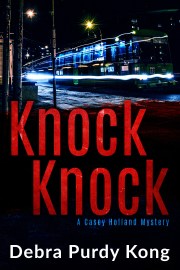 They say that the only constant in life is change. This is especially true for writers. Over the years, I’ve lost count of all the magazines and publishers I’ve worked with, but who no longer exist. When the publisher for my Casey Holland series let me and several other mystery authors go in 2015, I took it in stride and decided to continue self-publishing my series.
 Debra Purdy Kong’s volunteer experiences, criminology diploma, and various jobs, inspired her to write mysteries set in BC’s Lower Mainland. Her employment as a campus security patrol and communications officer provide the background for Casey Holland and Evan Dunstan mysteries.