TOP 5 Fiction Elements For A Mystery

I had to share my guest post on A NEW LOOK ON BOOKS. I hope the editing tips help!

Self-editing A Mystery (TOP 5 FICTION ELEMENTS FOR A MYSTERY)

Self-editing a mystery is one of the joys of the writing process. You get to use your imagination to lead the reader through your story. As a mystery writer, it’s important to keep track of your story, and not only in the context of what you share with your readers but also what your characters know….


Source: Day 1: Mystery; Kristina Stanley – A New Look On Books

Structural Editing. Copyediting. Proofreading. Steps To Revising Your Fiction. – Feedback For Fiction

After you’ve written your first draft, you’ll need to work your way through the revision process. In today’s publishing environment, it’s up to the author to ensure all the major steps of revision/self-editing have been completed. So what are the different steps in self-editing fiction?

We’re glad you asked. Here is our take on it. The first step is a structural edit, followed by your rewrites. Then you’ll do a copyedit and finally a proofread. These steps combined make up the revision process.

Following this order will save you time on editing. If you copyedit or proofread too early, you may have to repeat this work. Of course, you can fix obvious errors when you see them, but don’t spend time on copyediting until you’ve finished a comprehensive rewrite…

More at Source: Structural Editing. Copyediting. Proofreading. Steps To Revising Your Fiction. – Feedback For Fiction

Rewriting: Getting Your Point Of View Right – Feedback For Fiction

Happy New Year!

Now that the holiday season is over, are you ready to get back to your manuscript and rewrite it into a great story? Perhaps you wrote your first draft during NaNoWriMo in November and are wondering what to do next.

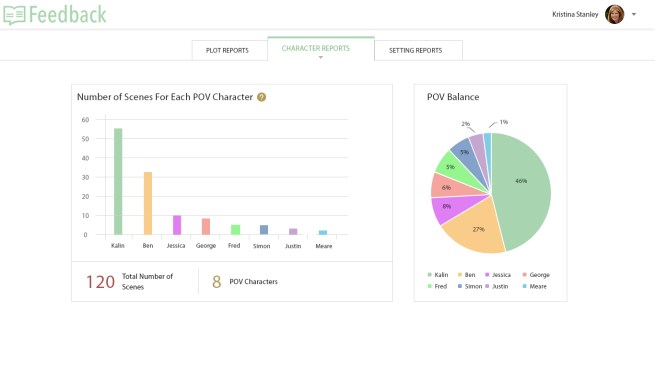
To illustrate how the Feedback app will help with your rewrite, I’m going to work through an example with Point of View (POV), one of most important elements of fiction for character. Having control over your point of view choices will enable you to rewrite a better story…

Read more: Source: Rewriting: Getting Your Point Of View Right – Feedback For Fiction

character-report-2

Feedback For Fiction | Self-Evaluating Scene Endings and Novel Structure

Self-Evaluating Scene Endings and Novel Structure

Imagine sitting on a plane next to a man reading your novel. You watch him read. He gets to the end of a scene and quickly turns the page to the next scene. He does this for hours. You watch the entire time, thrilled that he just keeps reading. He doesn’t take a moment to talk to you, to eat, or to drink. The TV shows and movies aren’t enough to draw him away from your book.

Isn’t this what we all want?

Read More and find out how to create great scene endings at: Feedback For Fiction | Self-Evaluating Scene Endings and Novel Structure

Starting a New Business is Like Writing a First Draft.

Hard work and research will help you create the best possible novel for your readers. If you’re an author and an entrepreneur, you know this is true. Part of starting a business is ensuring we’re building an app that solves a problem writers have, and to do that we need to expand our knowledge of how writers rewrite their first draft.

Today, we are  doing our research and knowledge gathering, and we have a few questions about your rewriting process. If you’re already familiar with what the Feedback app will do, you can jump straight to our short survey.

What does the Feedback app do?

writing-steps

With Feedback, you can focus on plot, character, and setting. You can evaluate on a scene-by-scene basis or on overall novel structure. Feedback will show you the most important structural elements to work on first.

Feedback will guide you through the rewriting process by asking you questions specific to your manuscript, enabling you to evaluate your own story.

Once you import your manuscript, Feedback automatically captures information such as word count, number of scenes per chapter, character names, and chapter and scene breaks, using this information to create the first set of reports. Any updates to your manuscript will still need to be completed in the writing app you used to create your first draft.

Feedback helps you visualize your manuscript. Forget about yellow stickies or white boards. Feedback will draw character arcs, provide reports on scene evaluation, and show your rewriting progress.

Thanks for taking the time to read about Feedback. We’d love your input. You can find out short survey here.

Thank you!
Feedback For Fiction | Rewriting: What’s In It For You?

In today’s world, fiction writers have access to many tools to create and publish novels. That puts writers in the luxurious position of having control over their novels and publishing what t…

Source: Fictionary| Rewriting: What’s In It For You?

Feedback For Fiction | Rewriting: What Is it And How Do You Go About It?

Sharing a draft of your novel with anyone for the first time can be scary. The stress of waiting to hear back from your readers or editor, of worrying about what they might say, and wondering if your writing is ready to submit can take its toll.

So why would you share your work with anyone before you’ve revised your first draft, improved it, making sure it’s as good as you can make it before anyone else reads it?

You wouldn’t. That’s why you rewrite.

Rewrite: to write (something) again especially in a different way in order to improve it or to include new information – Merriam-Webster Dictionary

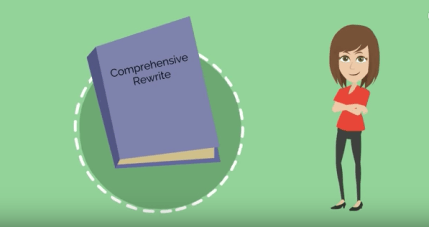
A comprehensive rewrite is the first step in the self-editing process. I’m not talking about copyediting or proofreading. You can do that after you’ve completed your rewrite.

Rewriting your first draft means analyzing your story from a high-level perspective and fixing

Source: Feedback For Fiction | Rewriting: What Is it And How Do You Go About It?