Farley’s Friday: Beach Time For Dogs

Farley here.

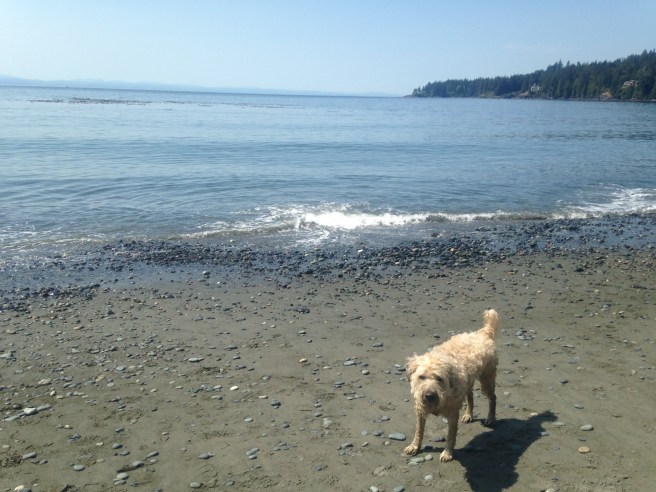
Woof Woof. Wag Wag. It’s fall and that means the beaches on Vancouver Island start to open to dogs.

Yup, that means swimming! That means running off leash.

Farley on beach

And it means getting full of sand and shaking it off in the back of the car. Kristina loves that part. Maybe love is a stretch, but she takes me to the beach anyway.

I love fall!

Woof Woof

Farley’s Friday: Dogs Go Hiking

Farley here,

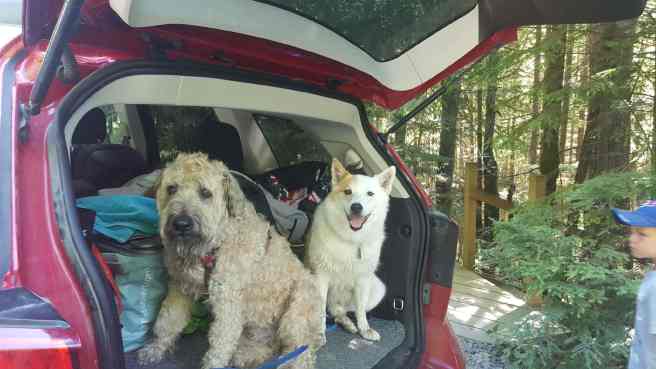
Somehow I don’t look excited here, but I am!

Farley & Finn

I’m with my pal Finn, and we spent a week hiking all over Vancouver Island. The thing to know about the island is it’s super dog friendly.

Off leash parks, hikes, beaches, etc abound. We’re even allowed in some of the outdoor restaurants.

If you’re a dog and need a vacation, tell your peeps to take you to Vancouver Island!

Woof Woof!

Who Will Read Your First Draft And How Do You Help Them #AuthorToolboxBlogHop

Nano Blog and Social Media Hop2Thank you, Raimey Gallant for organizing the #AuthorToolboxBlogHop.

This is a monthly blog hop on the theme of resources/learning for authors: posts related to the craft of writing, editing, querying, marketing, publishing, blogging tips for authors, reviews of author-related products, anything that an author would find helpful.

To continue hopping through other great blogs in the monthly #AuthorToolboxBlogHop or to join, just hop on over to Ramey Gallant!

This month, I’m going to focus on what I’ve learnt from working with beta readers.

When I finished the first draft of my first novel, Descent, I was exhilarated and terrified. Exhilarated because I’d accomplished my dream of writing a novel, and terrified because I now had to share it with someone.

But who?

My lucky husband got to be my first beta reader. He understood how important my story was to me. He’d be kind yet helpful. So I took a deep breath and hit the print button.

I couldn’t be in the same room with him as he read. That was just too stressful.

Once he finished, he gave me one of the most useful pieces of advice that I still use today. It came in the form of a question.

“Do you know you start every scene in a doorway?”

I hadn’t noticed that. His question made me do a full rewrite of every scene, looking at the opening. This is when I discovered the term in medias res — start in the middle of the action.

Now, before I share my story with anyone, I check the beginning of each scene and choose the opening carefully. I try to open with a hook for each scene.

As the years have gone by, I’ve had many beta readers and received a lot of valuable advice, comments, and questions. I couldn’t write the way I do without these precious people.


What’s a Beta Reader?

A beta reader is a person who reads your manuscript before it’s published and provides you with feedback on your story. The feedback is usually on characters, plot, and settings. (Although you may get comments on copyediting and proofreading, too.)

A helpful beta reader gives you honest feedback, positive or negative, that you use to improve your story.

An ineffective beta reader says, “That’s a nice story. I liked it.” While that feels good, it doesn’t help you write a better story.


Tips for Getting Useful Feedback

Convincing friends to give you honest feedback is difficult. People who care about you usually don’t want to hurt your feelings and may be worried about beta reading.

Questions like “What if I don’t like the story?” or “How will I tell you if I find something I don’t like?” may swirl around their heads while they’re thinking of a way to say no.

Make sure your readers understand you won’t be hurt or offended by negative feedback. Feedback on what’s not working is the only way for you to tell a better story.

To make it easy for your beta readers to know what you want, provide a list of specific questions or instructions. This will help your reader know what you want from them.

I ask beta readers to do or answer the following:

  1. Mark anywhere you skim. This is an easy way to know that the writing is boring.
  2. Did you get confused on who a character was? Maybe you need more clues or dialogue tags.
  3. Did you lose track of who was speaking? I like to write with minimal dialogue tags, so this is critical.
  4. Note anytime you suspect a character of being the villain or know the ending. This helps to determine if you’ve done enough to too much foreshadowing.
  5. Mark each passage where you stopped reading. Get your beta readers to mark this each time, even it was to have dinner, go to work, etc. If all your beta readers put the book down at the same passage, there may be a problem with the story.
  6. Did you notice any story inconsistencies? To help your beta reader, give them an example of what you mean. I read a story where a dog was left at home in one scene, and in the next scene, the dog was still with the owner. The author had forgotten where the dog was.
  7. Avoid asking for copy editing or proofreading from beta readers. It’s ok if your readers notice errors and point them out, but what you want at this stage is input on your story, not on the grammar or typos.

Make Your Beta Reader Feel Special

Image Source: Pixabay

Once you’ve put a lot of time into finding helpful beta readers, you want to keep them for your next book.

The first time a beta reader gives you negative feedback, thank them. If you make the suggested change, let them know. A beta reader will put a lot of effort into reading your story and seeing that their comments resulted in changes can be very satisfying.

When you ask someone to beta read, make it easy for the author by asking what format he/she would like to receive the manuscript in. I offer a PDF file first, but some prefer a printed copy and others mobi. Some like to receive manuscripts in .docx format as it’s easy to convert and read on a Kindle. I try to send the manuscript in the format the beta reader prefers. I believe it’s a sign of respect for the person.

In the acknowledgment section of your published book, thank your beta readers. Mine all love to see their names in the book.

Make your beta reader feel really special and send them a signed copy of your book once it’s published.

Let us know if you have any suggestions for working with beta readers. We’d love to hear from you!


Perform a Story Edit Before Sharing with Beta Readers

Fictionary is online software that simplifies story editing. Fictionary will help you evaluate your story on a scene-by-scene basis. You’ll be able to focus on problem areas in your manuscript and improve it quickly. Then your beta readers will be impressed!

Why not check out Fictionary’s free 14-day trial and tell better stories? We don’t ask for a credit card until you’re ready to pay, so there’s no risk.

Thanks for reading!

Who Will Read Your First Draft And How Do You Help Them?

When I finished the first draft of my first novel, Descent, I was exhilarated and terrified. Exhilarated because I’d accomplished my dream of writing a novel, and terrified because I now had to share it with someone.

But who?

My lucky husband got to be my first beta reader. He understood how important my story was to me. He’d be kind yet helpful. So I took a deep breath and hit the print button.

I couldn’t be in the same room with him as he read. That was just too stressful.

Once he finished, he gave me one of the most useful pieces of advice that I still use today. It came in the form of a question.

“Do you know you start every scene in a doorway?”

I hadn’t noticed that. His question made me do a full rewrite of every scene, looking at the opening. This is when I discovered the term in medias res — start in the middle of the action.

Now, before I share my story with anyone, I check the beginning of each scene and choose the opening carefully. I try to open with a hook for each scene.

As the years have gone by, I’ve had many beta readers and received a lot of valuable advice, comments, and questions. I couldn’t write the way I do without these precious people.


What’s a Beta Reader?

A beta reader is a person who reads your manuscript before it’s published and provides you with feedback on your story. The feedback is usually on characters, plot, and settings. (Although you may get comments on copyediting and proofreading, too.)

A helpful beta reader gives you honest feedback, positive or negative, that you use to improve your story.

An ineffective beta reader says, “That’s a nice story. I liked it.” While that feels good, it doesn’t help you write a better story.


Tips for Getting Useful Feedback

Convincing friends to give you honest feedback is difficult. People who care about you usually don’t want to hurt your feelings and may be worried about beta reading.

Questions like “What if I don’t like the story?” or “How will I tell you if I find something I don’t like?” may swirl around their heads while they’re thinking of a way to say no.

Make sure your readers understand you won’t be hurt or offended by negative feedback. Feedback on what’s not working is the only way for you to tell a better story.

To make it easy for your beta readers to know what you want, provide a list of specific questions or instructions. This will help your reader know what you want from them.

I ask beta readers to do or answer the following:

  1. Mark anywhere you skim. This is an easy way to know that the writing is boring.
  2. Did you get confused on who a character was? Maybe you need more clues or dialogue tags.
  3. Did you lose track of who was speaking? I like to write with minimal dialogue tags, so this is critical.
  4. Note anytime you suspect a character of being the villain or know the ending. This helps to determine if you’ve done enough to too much foreshadowing.
  5. Mark each passage where you stopped reading. Get your beta readers to mark this each time, even it was to have dinner, go to work, etc. If all your beta readers put the book down at the same passage, there may be a problem with the story.
  6. Did you notice any story inconsistencies? To help your beta reader, give them an example of what you mean. I read a story where a dog was left at home in one scene, and in the next scene, the dog was still with the owner. The author had forgotten where the dog was.
  7. Avoid asking for copy editing or proofreading from beta readers. It’s ok if your readers notice errors and point them out, but what you want at this stage is input on your story, not on the grammar or typos.

Make Your Beta Reader Feel Special

Image Source: Pixabay

Once you’ve put a lot of time into finding helpful beta readers, you want to keep them for your next book.

The first time a beta reader gives you negative feedback, thank them. If you make the suggested change, let them know. A beta reader will put a lot of effort into reading your story and seeing that their comments resulted in changes can be very satisfying.

When you ask someone to beta read, make it easy for the author by asking what format he/she would like to receive the manuscript in. I offer a PDF file first, but some prefer a printed copy and others mobi. Some like to receive manuscripts in .docx format as it’s easy to convert and read on a Kindle. I try to send the manuscript in the format the beta reader prefers. I believe it’s a sign of respect for the person.

In the acknowledgment section of your published book, thank your beta readers. Mine all love to see their names in the book.

Make your beta reader feel really special and send them a signed copy of your book once it’s published.

Let us know if you have any suggestions for working with beta readers. We’d love to hear from you!


Perform a Story Edit Before Sharing with Beta Readers

Fictionary is online software that simplifies story editing. Fictionary will help you evaluate your story on a scene-by-scene basis. You’ll be able to focus on problem areas in your manuscript and improve it quickly. Then your beta readers will be impressed!

Why not check out Fictionary’s free 14-day trial and tell better stories? We don’t ask for a credit card until you’re ready to pay, so there’s no risk.

Thanks for reading!

Farley’s Friday: Can a dog ride a bike?

Farley here,

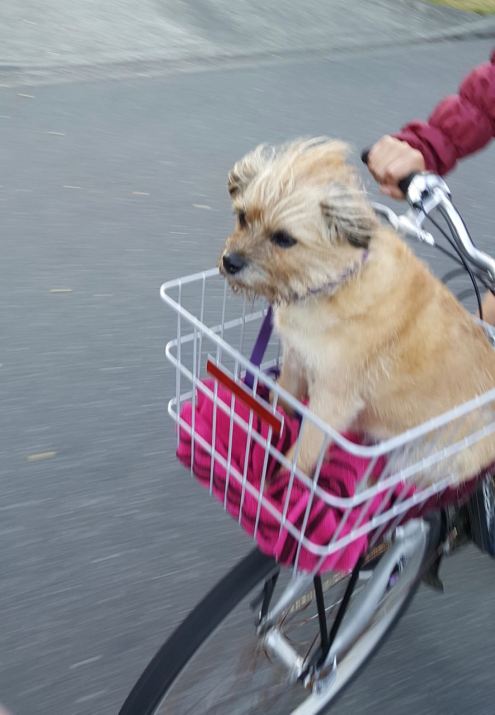
My lifelong gal pal loves to ride a bike. How does she do that you ask?

Well, she gets in the basket.

Piper Cycling

Did you notice the wind in her hair – like she’s a glamour queen. I asked Kristina if I could ride a bike too, and she said I was too big for the basket.

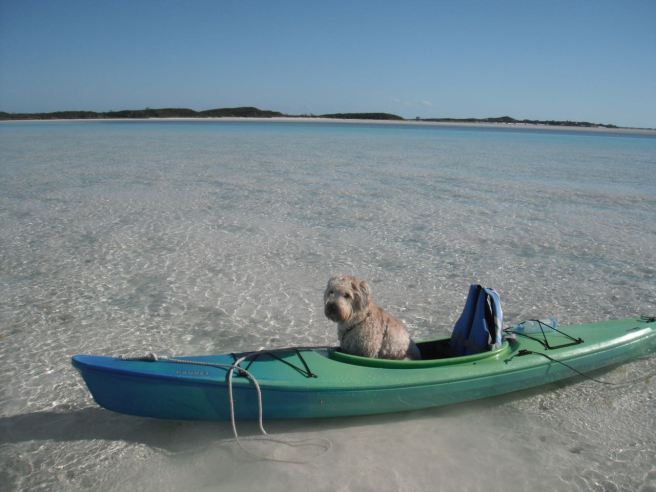
I don’t get that. I’ve done a lot of kayaking, so why not biking, too?

Farley in Kayak

Woof Woof

Mystery Mondays: J.E. Barnard on the Scene of the crime

I’m always thrilled when I get to announce a new release by an author contributing to Mystery Mondays. J.E. Barnard’s latest novel, When the Flood Falls, was released last week. Congrats Jayne!

As a crime writer, Jayne is here to talk about the scene of the crime. How appropriate.

Over to Jayne.

Returning to the Scene of the Crime

By J.E. Barnard

How many places have you seen in your lifetime where you could dump a body?

If you’re a sweet old lady who loves Agatha Christie books, any place has possibilities.

Take, for instance, my godmother. She’d be 90 now. On our last outing, we went together to Butchart Gardens on a warm summer evening, to admire the artful lighting and colourful fountains, to sniff the breeze for exotic floral aromas that quicken in the dew-laden air. As we strolled slowly along a path in the old quarry, she paused by a Japanese maple snugged against the rocky wall. The front leaves were translucent flame, spotlit from below; behind the trunk, in sharp and artful contrast, was shadow deep as midnight. Standing amid the delicate pale blossoms, gazing into the heart of blood-red darkness, this dear old woman sighed happily and murmured, “You could hide TWO bodies in there if you had to.”

That touching moment occurred the same summer that the city of Moose Jaw, Saskatchewan was about to open its long-awaited new Art Museum. The museum’s curator took me and a few other part-time instructors on a tour of the new facility. We exclaimed over the huge clay sink (coffin-sized!), praised the classroom spaces, admired the view over the Serpentine Canal, and eventually were taken to the sub-basement via a special key and admitted to that holiest of holies in the art world: the vault.

An art vault is typically a secure storage space with diverse capabilities, from open floor space for large sculptures to shelves for smaller pieces, and metal racks from which to hang paintings and other framed artworks. These racks in particular fascinated me. To open the one nearest the wall, you had to roll each successive rack sideways, leaving a barely-body-wide gap for the unlucky curators to squeeze into with the painting to be stored.

As the curator began rolling each rack back into place, she was explaining the measures built into prevent the vault flooding if the Serpentine Canal spilled over its banks. Amid the sense of menace from rising water, the gap by the wall closed with a crunch. In my mind’s eye I saw a flood outside and, trapped at the very back of the vault, at the mercy of this half-tonne of gliding metal, a body. I went home with my brain abuzz. Whose body would it be? How long could it stay in that climate-controlled environment undetected? Who had, or could get, access to the special key card?

Life intervened, as it does to most fictive dreams, and ten years passed. Standing in a different museum in a different province, admiring a framed painting whose label said it had been in secure storage for many years, I remembered that art vault and that hypothetical body, and set to work on a mystery that would take place in a new Art Museum.

In 2016, fully 18 years after my vision in that small art vault in Moose Jaw, my mystery featuring an art vault won the Dundurn Unhanged Arthur for Best Unpublished Crime Novel. There were many changes the way – to the plot, the characters, the technology – but that vault remained. On July 14, 2018, the ‘art vault mystery’ was released by Dundurn Press as When the Flood Falls, which is set in Bragg Creek, Alberta where the Elbow River flooded slightly in 2005 and catastrophically in 2013. There’s no real-life Art Museum on the Elbow’s bank but I pictured one so vividly during the writing that I’m always surprised when I cross that bridge and the building isn’t there.

This past weekend, I read the vault scene live for the first time, at the Saskatchewan Festival of Words, held annually in the Moose Jaw Art Museum. Two floors beneath my feet, in the sub-basement that is only accessible by special key, lurked the original art vault that inspired the scene in the book. Did I picture, for a disorienting instant, a real body trapped behind those real, heavy, rolling metal racks?

You bet I did. My godmother would have been so proud.

WHEN THE FLOOD FALLS
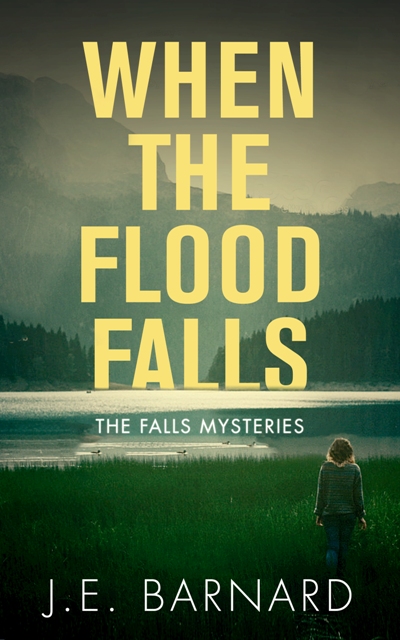
WhentheFloodFallsNew compressed 1With her career in tatters and her marriage receding in the rear-view mirror, ex-RCMP corporal Lacey McCrae trades her uniform for a tool belt, and the Lower Mainland for the foothills west of Calgary. Amid the oil barons, hockey stars, and other high rollers who inhabit the wilderness playground is her old university roommate, Dee Phillips. Dee’s glossy life was shaken by a reckless driver; now she’s haunted by a nighttime prowler only she can hear.

As snowmelt swells the icy river, threatening the only bridge back to civilization, Lacey must make the call: assume Dee’s in danger and get her out, or decide the prowler is imaginary and stay, cut off from help if the bridge is swept away.

WHO IS J.E Barnard?
Jayne Barnard 2017 sly shrunkJ.E. Barnard is a Calgary-based crime writer with 25 years of award-winning short fiction and children’s literature behind her. Author of the popular Maddie Hatter Adventures (Tyche Books), and now The Falls Mysteries (Dundurn Press), she’s won the Dundurn Unhanged Arthur, the Bony Pete, and the Saskatchewan Writers Guild Award.
Her works were shortlisted for the Prix Aurora (twice), the UK Debut Dagger, the Book Publishing in Alberta Award (twice), and three Great Canadian Story prizes. Her most recent book is When the Flood Falls, a small-town psychological thriller set in the Alberta foothills west of Calgary.
Top 10 Story Issues: Learn What to Avoid #AuthorToolboxBlogHop

Nano Blog and Social Media Hop2Thank you, Raimey Gallant for organizing the #AuthorToolboxBlogHop.

This is a monthly blog hop on the theme of resources/learning for authors: posts related to the craft of writing, editing, querying, marketing, publishing, blogging tips for authors, reviews of author-related products, anything that an author would find helpful.

To continue hopping through other great blogs in the monthly #AuthorToolboxBlogHop or to join, just hop on over to Ramey Gallant!

This month, I’m going to focus on what I’ve learnt from reading first drafts.


As the CEO of Fictionary, I read a lot of draft novels, and it’s one of the great pleasures of my job. It’s also an amazing learning opportunity.

Today, I want to share the top 10 issues I find in manuscripts in hopes that you can learn from them.

Here we go…


1. Word Count — Doesn’t follow the genre requirements

Inappropriate word count is the issue I see most often. For example, a 200,000 word mystery novel means the writer doesn’t know the expectations for the genre.

I also see random scene lengths, instead of scene lengths used to control pacing. Scene length can be shortened to increase pacing and lengthened to decrease pacing. This is an often underutilized method.

Learn more…


2. Point of View — Confused, inconsistent, unbalanced

A scene is told through a character’s eyes. That character is the POV character for the scene.

I often see a lack of control when writers change POV characters within a scene. This is called head hopping, and it’s jarring to a reader.

The order the POV characters appear, the number of times they appear, and consistency within a scene are all important. If an author hasn’t put enough thought into who has the POV for each scene, the novel can appear disjointed.

Learn more…


3. POV Goal — There isn’t a clear one

A character goal is simply what a character wants. The goals will drive the story forward.

The POV goal is what the POV character for the scene wants.

When you know the goal, you can start thinking about all the ways the character will fail at achieving the goal, what obstacles you can put in the character’s way, and how the character will feel about failing.

A scene where the POV character doesn’t have a goal will lack tension. And without tension the reader gets bored.

Learn More…


4. Purpose Of Each Scene — Isn’t clear

The purpose of the scene must relate to the overall story. If the scene is not driving the story forward or developing your characters, then ask yourself why the scene is in your novel.

If you don’t have a reason for the scene to be in your novel, think about cutting or rewriting the scene.

Learn More…


5. Scene Anchoring — Without it the reader is lost

A writer can be too close to their story and not “see” that the reader is lost. The mistake is to not anchor the reader in the point of view, the timing of the scene and the setting.

You know who has the POV, where the character is, and the timing of the scene because you wrote the scene, but does your reader? If the reader can’t figure out the POV, timing and setting within the first couple of paragraphs, you may lose them–the reader I mean and not the character.

Learn More…


6. Scene Entry And Exit Hooks — No exciting hooks

The beginning and ending of each scene is a chance to keep the reader engaged. This mistake is to ignore having entry and exit hooks for each scene.

When creating a scene entry hook, consider:

  • Starting in media res (opening in the middle of action)
  • Foreshadowing trouble
  • Using a strong line of dialogue
  • Raising a question
  • Not wasting words on extraneous description

The exit hook is the magic that will keep your reader wanting to begin the next scene. Types of Exit Hooks:

  • Cliff Hanger–perhaps your protagonist’s life is at risk
  • Revelation–show the reader something that will change the course of the story
  • Setback for the protagonist or antagonist–one of these characters should be very unhappy about the latest event
  • A secret revealed–you can either reveal a full secret or only part of a secret
  • A question left hanging–this will tease the reader, making them want the answer
  • An unexpected plot twist–this will keep the reader guessing

Learn More…


7. Tension — Not enough

A lack of tension in a scene may mean the reader puts your book down.

It’s important to know the difference between tension and conflict. I often see a lot of conflict but not enough tension.

Learn More…


8. Backstory — Too much, too early

Backstory is the story that happens before your novel begins. Sometimes during the story, you need to inform the reader of something that happened earlier in a character’s life. You may have files upon files of information you store elsewhere that you use to develop your characters, but what we’re concerned with here is what the reader needs to know.

Too much backstory early on will bore your reader. Don’t risk it.

Learn More…


9. Timing — Confusing timelines

This issue occurs when a story jumps around in time — meaning the story is not told in a linear fashion. This can be great, but only if the reader can follow it.

Learn More…


10. Story Arc — Key scenes are in the wrong place

I’ve read many manuscripts where the story arc is not followed. When the author rewrites the story and move the key scenes to the correct place, the story goes from mediocre to good, or good to great. Who doesn’t want that?

Learn More…


Fictionary is online software that simplifies story editing. Fictionary will help you address each area listed above. You’ll be able to focus on problem areas in your manuscript and improve it quickly.

Why not check out Fictionary’s free 14-day trial and tell better stories?

Mystery Mondays: Author Tracy L. Ward on Historical Fiction

Today on Mystery Mondays we have bestselling author Tracy L. Ward to talk about history – Canadian History – so that’s fun for me 🙂 Check out her latest book below…

You Can Bet Your Bottom Dollar I Did My Research

by Tracy L. Ward

If I had a dollar for every time I heard someone say, “Canadian history just isn’t that interesting,” I could retire a very wealthy woman. It seems, in comparison to the oft romanticized aspects of American history (a rebellion for liberty from British rule, a civil war to free the enslaved and multiple presidential assassinations) any history Canadians have been a part of feels downright yawn worthy.

How did we become a county? We held a meeting and signed some papers. Yawn.  How did slavery in Canada end? Well, Britain ended their involvement in the slave trade and we just kind of followed suit. Both these major events seem passive on our part, nothing revolutionary, nothing to write home about.

A lot of our apathy toward our own history comes down to how it’s taught.  It’s standard practice to focus on dates, politician’s names and outcomes of battle. But what if I told you this is exactly the WRONG way to approach history?

I certainly had my fair share of “read this, fill in the blanks on this” history classes. If this is the only type of history class that young people are exposed to no wonder adult Canadians aren’t that particularly interested.

How did I get hooked on history? It certainly wasn’t memorizing a list of Canadian prime ministers and writing historical dates on flash cards. I started by reading about people, learning about their individual lives, their goals, their struggles and learning about how they were restricted by society (particularly women) or even constricted by limits of the technology available to them.

I remember reading in Lucy Maud Montgomery’s journals that one winter Prince Edward Island had been hammered with a horrendous amount of snow. The Northumberland Straight, the body of ocean separating the island from New Brunswick, was choked with ice. Ferry service had been cut off for weeks and even the dog sleds used by the postal service could not get through to the island effectively cutting off the people of Prince Edward Island from the mainland for weeks and weeks, much longer than any other winter the locals could remember.

She wrote of the isolation, as no one from the village of Cavendish or beyond ventured to the post office Montgomery ran with her grandmother and grandfather. The boredom was immense, the cabin fever soul crushing. This is riveting history. And probably wouldn’t play out the same way today now that we have Confederation Bridge, automobiles, snow ploughs and this amazing invention called the Internet (you may have heard of it).

I recently read a book titled “Wilderness Sisters” by Charlotte Gray, who wrote about Susanna Moody and Catherin Parr Trail, two sisters from the upper classes of England whose genteel husbands decided to brave the journey over the ocean to claim a homestead in Canada’s bush. It’s amazing to read of their optimism, their belief that the estate homes they lost in England could be re-established in the Canadian wilderness, large homes replete with an army of servants, high tea at 4 in the afternoon, and expansive gardens to rival any back home.

They arrived grossly unprepared for the harsh winters, thick wilderness and primitive lifestyles. Lace gloves were soon traded for calloused palms and cracked fingernails. Both Catherine and Susanna were some of Canada’s first female writers, composing works of non-fiction to hopefully better prepare British citizens looking to emigrate to Canada. Their work continues to be published today as a testament to the early days of Canadian settlement. When you read their stories it’s not about what happened when and what laws were changed as a result. Instead their legacy is of an average citizen, brought to Canada because of a dream and vision many other Canadian hopefuls shared.

I had published six novels set in England before I set out to write my first series set in Canada, Mercy Me, and you can bet your bottom dollar I did my research. I pored over maps of early Toronto. I studied the social climate. I visited museums and memorized early photographs gleaning them for clues as to what people wore, how they stood and what was important to them. But what I didn’t do was memorize dates, or names of men who held political office.

My story was not about them but rather about Mercy Marigold Eaton, a character of my own creation, a single mother to a biracial fourteen year old living in a society that would never accept either of them. You won’t find rote facts or many historical nuggets woven amongst the prose. My story wasn’t about repeating what has already been written about in non-fiction. My story is a human story, the best sort of history lesson. While my characters may be a figment of my imagination, their tale is inspired by those of real Canadians, the everyday people who paved the way, and shaped our country helping making it what it is today.

History can be taught through both fiction and non-fiction and need not be limited to factual recitation. If you haven’t read a historical novel in a while, boy, are you ever missing out.


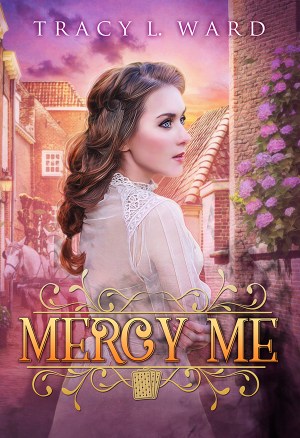
Mercy Me

MercyMeFrontMercy Marigold Eaton has a special connection with the dead, able to piece together the lives of those who have passed on with a single touch. When an injured man nearly dies in her arms she isn’t given much time to work her magic before Detective Jeremiah Walker arrives and places her and her fraudulent fortune telling business under suspicion.
A day later the body of a woman matching a description given by Mercy is found in Toronto’s derelict neighbourhood The Ward, leaving Walker no choice but to involve her in the case. Wary and fighting her own demons rooted in mistrust of the law, Mercy uses the skills she herself doesn’t fully understand to give the detective the clues he so desperately needs.

Thrust together by circumstances even Mercy couldn’t predict, the pair soon finds themselves falling for each others’ charms. In an effort to remove temptation Walker pushes forward without her, not realizing the killer has already darkened Mercy Eaton’s front door.

WHO IS TRARCY L. WARD?

Author HeadshotA former journalist and graduate from Humber College’s School for Writers, Tracy L. Ward is the author behind the best-selling Marshall House Mysteries.
Mercy Me is the first book in a new series set in 19thcentury Toronto. Currently, Tracy lives on a rural property outside Barrie, Ontario with her husband and their two teenagers.


Selling Books To Non-Bookstores #Sale

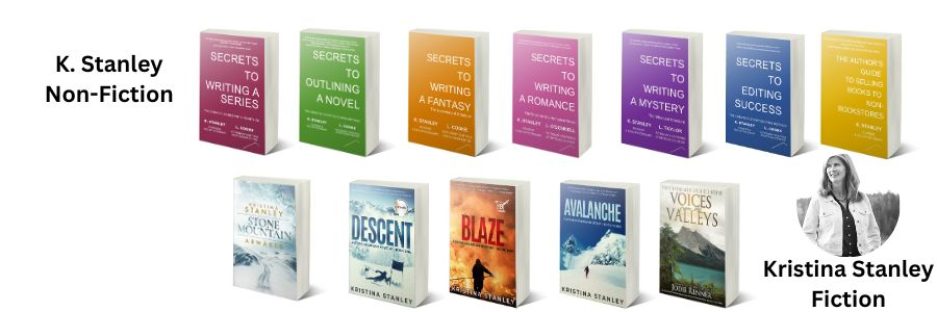
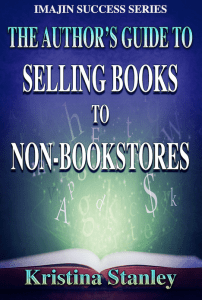
The Author’s Guide To Selling Books To Non-Bookstores is on sale. You can get it for 50% off through Smashwords.

AGTSBNB

Published by Imajin Books

Imagine walking into a grocery store, gift shop or other non-bookstore and seeing YOUR book for sale.  This wonderful experience is within your grasp—if you’re bold enough to pursue it.

Selling to traditional bookstores and making a profit can be extremely difficult, but there is an alternative. In this step-by-step guide, I’ll show YOU how to move beyond the bookstores and sell to other retail outlets. Every step is detailed, from formulating a plan to collecting money.

I sold more books through non-bookstore retail outlets than through traditional bookstores, and YOU can too.

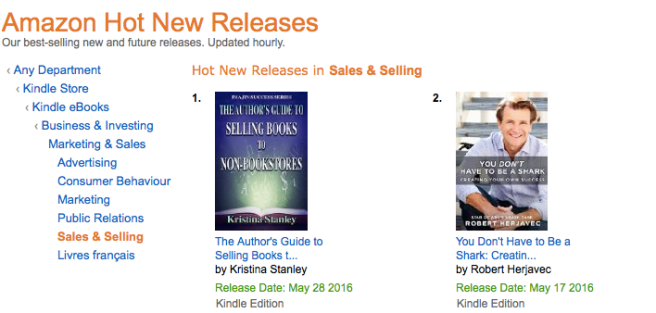
This was my favorite moment with the Author’s Guide…


Screen Shot 2016-05-27 at 12.08.10 PM