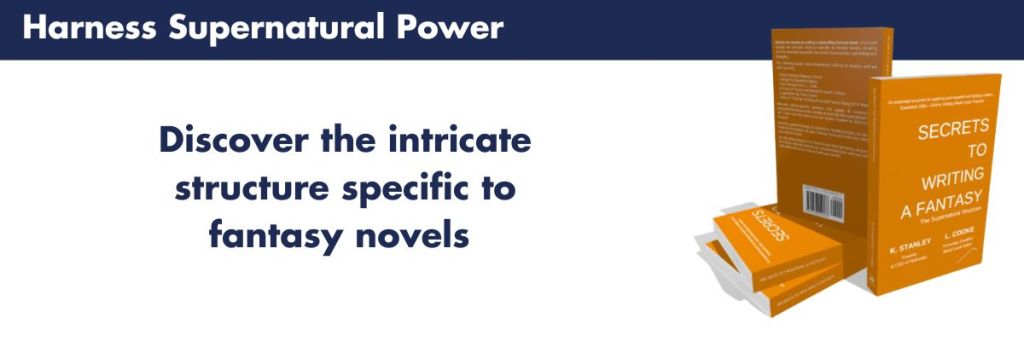
The first page of a fantasy novel isn’t just paper and ink—it’s a portal. But how do you ensure your readers actually want to step through it? In our latest guide, Secrets to Writing a Fantasy, we pull back the curtain on the mechanics of world-building, starting with the two most vital components of your debut: the Opening Image and the Opening Chapter.
While they sound similar, understanding the nuance between them is the difference between a reader who browses and a reader who buys.
The Opening Image: Setting the Tone
The opening image is the very first visual or conceptual seed you plant. In fantasy, this often takes the form of “pre-text”—perhaps a haunting quote from a fictional ancient tomb or a snippet of a forgotten prophecy.
Its primary duty is to support two pillars: the external plot and the supernatural plot. You may want to check out Why Your Story Needs Two Story Arcs. You have a crucial choice here: does your “ordinary world” include magic from the start, or is the supernatural something that breaks into a mundane reality? Your opening image sets that expectation immediately. Here are some options for what this scene can accomplish.
- Establish life-or-death stakes.
- Hint at what the protagonist loves (and what they stand to lose).
- Set the atmospheric tone before a single line of dialogue is spoken.
The First Chapter: The Engine of Engagement
If the opening image is the atmosphere, the first chapter is the engine. This is where genre-agnostic duties kick in. Regardless of whether you have dragons or starships, your first chapter can:
- Introduce the Protagonist: Unless there is a high-level narrative reason to wait, the reader needs someone to root for now.
- Define the Ordinary World: This is the status quo. We need to see your hero in their natural habitat before the inciting incident blows it all to pieces.
- Mirror the Closing Image: Expertly crafted novels often begin with a visual or thematic beat that finds its “answer” or reflection in the final pages of the book.
Case Study: Fourth Wing by Rebecca Yarros
In Secrets to Writing a Fantasy, we analyze bestsellers to see these rules in action. Take Fourth Wing.
Yarros utilizes a powerful opening image: a paragraph explaining that the text was transcribed by a scribe to honor the dead. This immediately signals that the stakes are lethal. She follows this with a quote from the Dragon Rider’s Codex, weaving the supernatural (dragons) into the very fabric of the world before Chapter One even begins.
When we reach Chapter One, we meet Violet Sorrengail. Her ordinary world is a library, but the inciting incident—her mother forcing her into the Riders Quadrant—has already happened. Yarros uses clever backstory beats to show us what Violet is leaving behind, proving that you don’t need a linear timeline to create an emotional connection.
Excel at the Art of the Beginning
Are you showing the ordinary world in action, or are you weaving it through backstory? Is your tone consistent from the first sentence?
Don’t leave your opening to chance. Whether you’re writing a grimdark epic or a cozy portal fantasy, the transition from the “Opening Image” to the “Opening Chapter” is your first and best chance to cast a spell on your audience.
Ready to build a world readers never want to leave? Check out Secrets to Writing a Fantasy for the full story.
Don’t leave your structure to chance. Stop guessing and start building a structurally sound novel, scene by sensational scene.