The Secret to Bestselling Fantasy:The Magic of Opening Images and First Chapters

The first page of a fantasy novel isn’t just paper and ink—it’s a portal. But how do you ensure your readers actually want to step through it? In our latest guide, Secrets to Writing a Fantasy, we pull back the curtain on the mechanics of world-building, starting with the two most vital components of your debut: the Opening Image and the Opening Chapter.

While they sound similar, understanding the nuance between them is the difference between a reader who browses and a reader who buys.

The Opening Image: Setting the Tone

The opening image is the very first visual or conceptual seed you plant. In fantasy, this often takes the form of “pre-text”—perhaps a haunting quote from a fictional ancient tomb or a snippet of a forgotten prophecy.

Its primary duty is to support two pillars: the external plot and the supernatural plot. You may want to check out Why Your Story Needs Two Story Arcs. You have a crucial choice here: does your “ordinary world” include magic from the start, or is the supernatural something that breaks into a mundane reality? Your opening image sets that expectation immediately. Here are some options for what this scene can accomplish.

  • Establish life-or-death stakes.
  • Hint at what the protagonist loves (and what they stand to lose).
  • Set the atmospheric tone before a single line of dialogue is spoken.

The First Chapter: The Engine of Engagement

If the opening image is the atmosphere, the first chapter is the engine. This is where genre-agnostic duties kick in. Regardless of whether you have dragons or starships, your first chapter can:

  1. Introduce the Protagonist: Unless there is a high-level narrative reason to wait, the reader needs someone to root for now.
  2. Define the Ordinary World: This is the status quo. We need to see your hero in their natural habitat before the inciting incident blows it all to pieces.
  3. Mirror the Closing Image: Expertly crafted novels often begin with a visual or thematic beat that finds its “answer” or reflection in the final pages of the book.

Case Study: Fourth Wing by Rebecca Yarros

In Secrets to Writing a Fantasy, we analyze bestsellers to see these rules in action. Take Fourth Wing.

Yarros utilizes a powerful opening image: a paragraph explaining that the text was transcribed by a scribe to honor the dead. This immediately signals that the stakes are lethal. She follows this with a quote from the Dragon Rider’s Codex, weaving the supernatural (dragons) into the very fabric of the world before Chapter One even begins.

When we reach Chapter One, we meet Violet Sorrengail. Her ordinary world is a library, but the inciting incident—her mother forcing her into the Riders Quadrant—has already happened. Yarros uses clever backstory beats to show us what Violet is leaving behind, proving that you don’t need a linear timeline to create an emotional connection.


Excel at the Art of the Beginning

Are you showing the ordinary world in action, or are you weaving it through backstory? Is your tone consistent from the first sentence?

Don’t leave your opening to chance. Whether you’re writing a grimdark epic or a cozy portal fantasy, the transition from the “Opening Image” to the “Opening Chapter” is your first and best chance to cast a spell on your audience.

Ready to build a world readers never want to leave? Check out Secrets to Writing a Fantasy for the full story.

Don’t leave your structure to chance. Stop guessing and start building a structurally sound novel, scene by sensational scene. 

Write Your Novel in 6 Months: Only 25 New Writers Accepted

On April 1st, Fictionary is launching our next Write Your Novel cohort. This is a comprehensive, 6-month journey designed to take you from a story idea to the final draft of your novel.

This program includes 3 live, 8-week courses to Outline, Write, and Edit your novel under the guidance of our world-class instructors. You’ll learn how flawless structure builds great stories and unlocks the secrets behind novels that sell.

Only 25 new members will be accepted into the April cohort to ensure every writer receives the professional eyes their work deserves. Join 100% risk-free for your first 30 days. Fictionary School Memberships then start at just $69 /month.

JOIN APRIL COHORT

A Proven Framework for Success

Fictionary Testimonial

We’ve been called “Peloton for Writers” because we provide elite, live instruction combined with our StoryTeller Premium software. No recorded sessions here. We are live online to support you. Our 6-month curriculum is broken into three actionable courses:

  1. Outline Your Novel: Use our story visualization software to build a story arc that works before you waste time on scenes that don’t matter.
  2. Write Your Novel: Transform from an aspiring writer into a confident author with a novel containing the must-have scenes and structure for commercially successful fiction.
  3. Edit Your Novel: Skip the vague feedback of amateur critique groups and use our expert framework to fix your pacing and structure.

Why The Write Your Novel Program is Different

We’re more than just courses. We’re a kind community where you can ask questions in “Ask-an-Editor” if you get stuck and join weekly check-ins that promote accountability and keep you writing.

By joining this cohort, you get access to our StoryTeller Premium software combined with live, interactive classes led by certified editors. It’s the ultimate roadmap to ensure your book is structurally sound and ready for traditional or high-end publication.

JOIN APRIL COHORT

Join 100% risk-free for your first 30 days.

Finish Your Draft in 8 Weeks

Are you ready to stop thinking about your novel and finally get it written? You can accomplish this by May 2026 if you really want to.

At Fictionary, we know that the biggest hurdle for serious writers isn’t a lack of story ideas—it’s the lack of a clear writing roadmap and helpful support. That’s why we’ve designed our Write Your Novel Course specifically for writers who are ready to commit to finishing their draft novel in just 8 weeks.

Our regular course price is $69 /month (USD). We are so confident that you will love the Fictionary writing experience that we are offering your first month for free.

Course starts March 2

Monday, March 2 at Noon ET. Each class is one hour.

What you’ll achieve in 8 weeks:

You’ll transform from an aspiring writer into a confident author with a novel containing the must-have scenes and structure for commercially successful fiction.

This isn’t just a theory course. It is a high-intensity, hands-on program where you will:

  • Write the essential scenes: We guide you through the key story arc moments, lead-up scenes, and reaction scenes that every successful novel needs.
  • Excel at scene structure: You’ll explore your character’s goals and resistances to ensure every scene drives the plot forward.
  • Build a structurally sound draft: Our process is designed to help you write a first draft that is as strong as another writer’s 4th or 5th version.

Why this course is different:

  • 100% Live Instruction: Unlike most online courses, our classes are live and interactive. We don’t believe in pre-recorded videos; we believe in real-time guidance. Please note: To keep the energy focused and the commitment high, classes are not recorded.
  • Weekly Accountability: You’ll gain access to our “Monday Check In” space, where weekly accountability groups keep you moving toward your word count goals.
  • Expert Access: Get your specific questions answered with our “Ask an Editor” space, ensuring you never feel stuck or alone in the process.

Why now?

The Write Your Novel Course is normally $69 /month and takes two months to complete. By joining today, you get the first month of live instruction, community support, and editor access at no cost. We are 100% confident that once you experience Fictionary’s courses, you’ll never want to write any other way.

If you’re a serious writer ready to finally see your novel written, we’ll see you in class on March 2!

Write Your Novel

The Secret to Bestselling Fantasy: Why Your Story Needs Two Arcs

The Power of Two Arcs

Did you know that every commercially successful fantasy novel actually contains two complete story arcs?. Discover how to weave a high-stakes external adventure together with a gripping supernatural journey to create a narrative that satisfies every reader’s expectation.

Most fantasy writers start with a spark of magic—a unique dragon bond, a complex spell system, or a world-ending curse. But somewhere between that initial idea and the finish line, many manuscripts stall because they lack the foundation to support such a complex narrative. If you’ve ever felt like your plot is a “jumbled ball of words,” the solution isn’t adding more magic; it’s writing using deep structure.  

Before you get down to the level of copy editing or proofreading, make sure your story structure is strong. You can do this while you write your novel, or you can do this during the self-editing phase.

In Secrets to Writing a Fantasy, we reveal one of the most powerful patterns found in commercially successful novels: the dual-arc system.  

The Two Hearts of Your Story

A sensational fantasy novel is a perfect balance of two distinct but intertwined plot lines :  

  • The External Plot: This is the universal adventure narrative. It is the challenge issued to your protagonist that forces them to leave their ordinary world. Without this, you don’t have a story.  
  • The Supernatural Plot: This is the unique factor that satisfies genre expectations. It tracks the protagonist’s journey from their first inkling of magic to harnessing (or losing) it in the final battle. Without this, you don’t have a fantasy.  

Weaving The Story Arc Scenes

The key to a page-turner is how you weave these two arcs together. Every story needs five core “story arc scenes” to form its spine: the Inciting Incident, Plot Point 1, Middle Plot Point, Plot Point 2, and the Climax.  

In a fantasy novel, that means you are actually managing ten pivotal moments—five for the adventure and five for the magic. When you align these scenes, you create a story that is both balanced and believable. For example, the supernatural inciting incident often happens right after the external one, proving to the reader that your character isn’t just on an adventure—they are on a magical one.  

The Guiding Light: The Combined Skeleton Blurb

How do you keep track of all these moving parts without getting lost? It starts with a Combined Skeleton Blurb. This single sentence captures your protagonist, their dual goals, and the high-stakes consequences of failure.  

Formula: [The protagonist] must [external goal] and [supernatural goal]; otherwise, [external stakes] and [supernatural stakes].  

By defining this promise early, you ensure that every scene you write—from the first goal attempt to the final resolution—works hard to support your story’s core mission.  

Don’t leave your structure to chance. Stop guessing and start building a structurally sound novel, scene by sensational scene.  Read Secrets to Writing a Fantasy and write your best novel.

New Release: Secrets to Writing a Mystery

The latest book in the Write Novels that Sell series, Secrets to Writing A Mystery: The Whodunit Structure is now available. Are you a writer ready to move beyond the basics and dive into the deep structure that powers commercially successful mystery novels? Then this book is for you.

Unlock the secrets to writing a bestselling mystery novel. 

This book solves the puzzle of deep structure specific to mysteries and guides you through an actionable, flexible process to outline, write, and edit a mystery novel.

Through the process, you’ll

  • Learn to identify your mystery type (Cozy, Traditional, Detective)
  • Assemble your essential cast of characters (Sleuth, Victim, Suspects, and Culprit)
  • Anchor your story with the five mystery story arc scenes.
  • Develop your story with genre-specific patterns and scenes.
  • Learn how secondary plots and subplots can be woven into the mystery plot.
  • Deepen your story by giving victims fatal flaws and anchoring culprit motives in personal stakes.
  • Structure the story by choosing the right POV strategy to control tension and effectively drop clues and red herrings.  

Use this book as a reference, and from now on, you’ll write every mystery with confidence.

As with all the books in the Write Novels that Sell series, we give you the theory—the why behind our recommendations—and you use the actionable advice to understand the theory and apply it.

Are you a writer ready to move beyond the basics and dive into the deep structure that powers commercially successful mystery novels? Then this book is for you.

Praise for Secrets to Writing a Mystery:

While reading this book, I kept thinking, “I wish I had this book when I wrote my own mystery.” Secrets to Writing a Mystery brilliantly demystifies the genre. It’s an essential, insight-packed guide for mystery writers. Clear, actionable, and full of those “ah-ha” moments that change the way you write. —Iris Applewood, Author of Fragrance of Forgotten Truths

You can buy your copy here.

Textbook for the Fictionary School for Writers & Editors

Secrets to Writing a Mystery: The Whodunit Structure is a comprehensive reference that provides the deep structural theory and an actionable process for Fictionary’s Write a Mystery course.

It serves to solidify and expand on the concepts taught in the live course, allowing your to internalize the techniques and apply them to your own manuscripts.

Thinking of taking the course? Our Black Friday Sale is now on. The Write A Mystery course is included in the Write Your Series Program.

🔥 Black Friday Deal: Get 40% Off Your Membership 🔥

For a limited time, you can secure your membership for 40% off the regular price. This is the best deal we’ll offer all year. Offer ends December 1, 2025.

Use the coupon code BF2025

Black Friday Pricing: 

Write Your Series: $281 /quarter or $899 /year (Reg $468 /quarter or $1499 /year)

Note we also have our other programs (Write Your Novel and Become and Editor) on sale too.

Commit to Your Best Novel With Series Membership Programs

Write Your Series: Eight live 8-week courses to launch your series are delivered by our world-class instructors. This program takes 12 months to complete and includes 64 hours of live instruction. StoryTeller Premium software included.

Use the coupon code BF2025

Top 3 Secrets for Writing A Romance

Ready to write your own bestselling romance novel? 

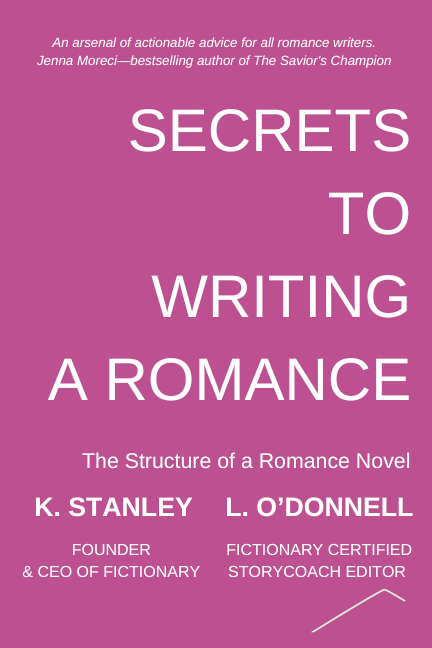
Join authors K. Stanley and L. O’Donnell for an exclusive event celebrating the release of their new book, Secrets to Writing a Romance. Linda and Kristina will reveal the top three secrets they discovered while researching the genre—secrets that will help you write a captivating story that readers won’t be able to put down.

RSVP to the Free Class in the Fictionary School for Writers. The first 100 people can attend live. A replay will be sent to everyone who RSVPs.

Tuesday, Sept 2. 4 to 5PM ET.

Book Description

Unlock the secrets to writing a bestselling romance novel. This book reveals the intricate structure specific to this genre, showing you the essential elements that make these stories captivating. 

Balance reader expectations with your distinctive voice to create an irresistible story that meets romance conventions.

Go beyond the “meet-cute” and learn about the scenes readers expect in commercially successful romance novels. Portray character growth and perfect your story’s pacing by writing scenes that build tension and demonstrate conflict. Drive your story forward by weaving in external and subplot story arcs.

We analyze six commercially successful romance novels with different subgenres and subplots. It’s exciting to see that each novel follows the story arc pattern but is still a unique story.  You’ll see the full breakdown of these books:

  • The Bodyguard by Katherine Center
  • Happy Place by Emily Henry
  • The Seven Year Slip by Ashley Poston
  • The Flatshare by Beth O’Leary
  • Just For the Summer by Abby Jimenez
  • The Wedding Date by Jasmine Guillory

As with all the books in the Write Novels that Sell series, we give you the theory—the why behind our recommendations—and you use the actionable advice to outline, write, and edit novels.

New Release: Secrets to Writing a Romance

The latest book in the Write Novels that Sell series is now available.

Unlock the secrets to writing a bestselling romance novel. This book reveals the specific structure of the genre and the essential elements that make these stories captivating.

Balance reader expectations with your distinctive voice to create an irresistible story that satisfies romance readers.

Go beyond the “meet-cute” and learn about the scenes readers expect in commercially successful romance novels. Portray character growth and perfect your story’s pacing by writing scenes that build tension and demonstrate conflict. Drive your story forward by weaving in external and subplot story arcs.

We analyze six commercially successful romance novels with different subgenres and subplots. It’s exciting to see that each novel follows the story arc pattern but is still a unique story.  You’ll see the full breakdown of these books:

  • The Bodyguard by Katherine Center
  • Happy Place by Emily Henry
  • The Seven Year Slip by Ashley Poston
  • The Flatshare by Beth O’Leary
  • Just for the Summer by Abby Jimenez
  • The Wedding Date by Jasmine Guillory

As with all the books in the Write Novels that Sell series, you’ll learn the theory—the “why” behind our recommendations—and use the actionable advice to outline, write, and edit your novels.

Praise for Secrets to Writing a Romance

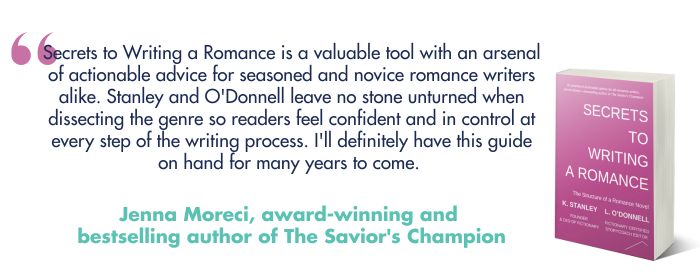
Secrets to Writing a Romance is a valuable tool with an arsenal of actionable advice for seasoned and novice romance writers alike. Stanley and O’Donnell leave no stone unturned when dissecting the genre so readers feel confident and in control at every step of the writing process. I’ll definitely have this guide on hand for many years to come. 

– Jenna Moreci, award-winning and Amazon bestselling author of The Savior’s Champion 

You can buy your copy here.

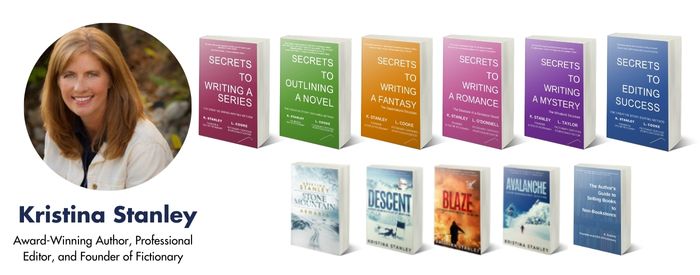
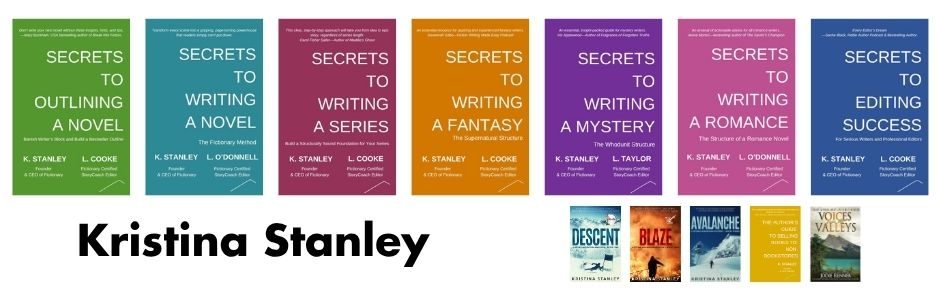
Also available by K. Stanley

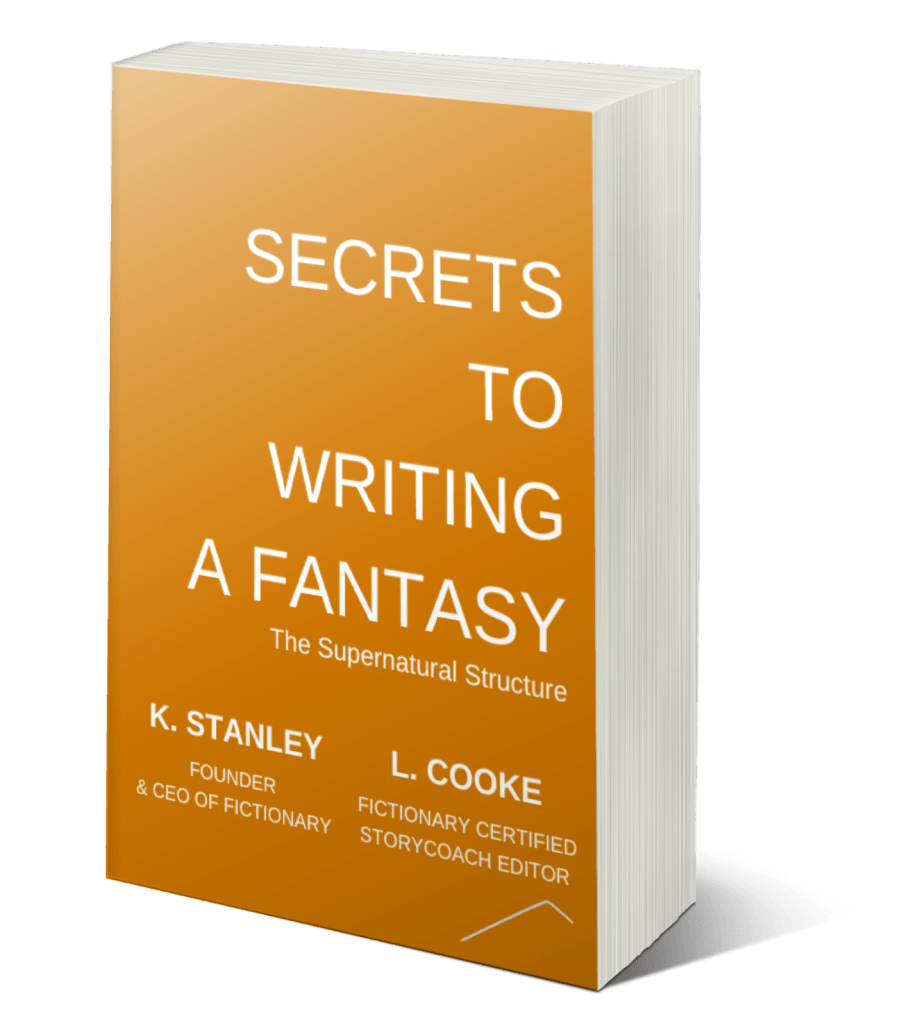
New Release: Secrets to Writing a Fantasy

The latest book in the Write Novels that Sell series is now available.

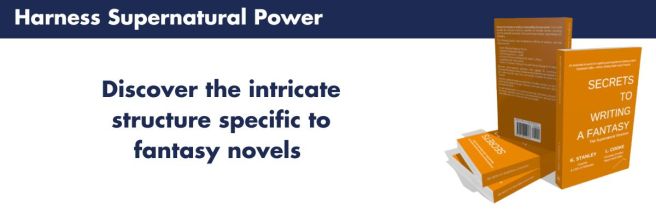
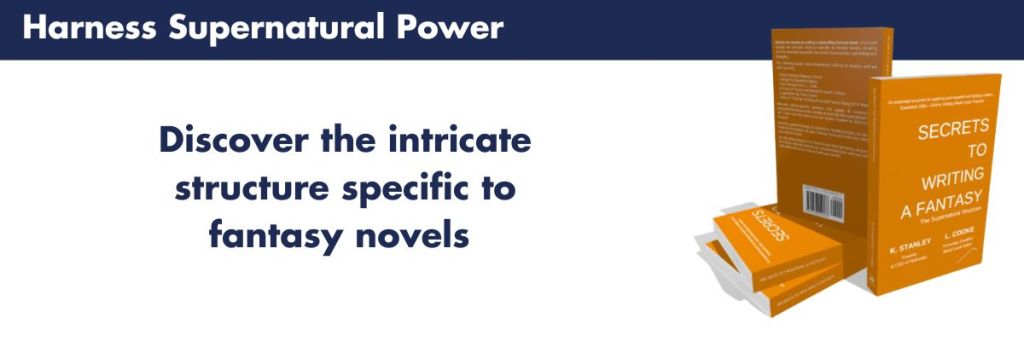
Unlock the secrets to writing a bestselling fantasy novel. This book reveals the intricate structure specific to fantasy novels, showing you the essential elements that make these stories captivating and engaging.

The following books have entertained millions of readers, and we show you why. 

  • Fourth Wing by Rebecca Yarros
  • Twilight by Stephenie Meyer
  • The Unbroken by C. L. Clark
  • A Court of Thorns and Roses by Sarah J. Maas
  • Legendborn by Tracy Deonn
  • Game of Thrones: A Song of Ice and Fire by George R. R. Martin

Discover the scenes readers expect in commercially successful fantasy novels. Create an external and supernatural story arc. Learn how the story arcs are woven together to drive a story forward.

You’ll be guided through an actionable, flexible process, so you can build the foundation of your fantasy novel and write your story as you read this book.

As with all the books in the Write Novels that Sell series, we give you the theory—the why behind our recommendations—and you use the actionable advice to write and edit your novels.

You can buy your copy here.

Also available by K. Stanley

Woo Hoo. 50% of Camp Nanawrimo Target Met, and I know who killed Nick!

Only 10,000 more words to go, and I have the first draft of my 5th novel written. Starting to get excited.

Screen Shot 2017-07-11 at 9.19.49 AM

As I was writing this morning, I was wondering if anyone else writes out of order.

Part of writing a mystery means having a murderer and catching that person. I never know who the murderer is until I’ve written most of the book. The fun part of the journey is having a host of suspects and then selecting the best one.

Today, I decided who killed Jaz’s husband, and it surprised me. Then I wrote the climax and the resolution. Now I have to back and connect the first 65,000 words to the last 5,000 words, and I have that draft.

Who else writes like this? Do you always know who committed the crime before you start writing?

As many of you know, we’re about to launch Feedback (an online tool to guide a writer through a rewrite.) I plan to use Feedback to perform a big-picture edit on Evolution, and I can hardly wait.

If you’re going to rewrite your first draft in August, join me on the adventure. We can cheer each other on!

Thanks for reading…


The EDITING App You Need – Guest Blog Post by Kristina Stanley | Dan Alatorre – AUTHOR

Dan Alatorre

is author of numerous best sellers, host of the YouTube video show Writers Off Task With Friends, blogger… and father to a hilarious and precocious daughter, “Savvy” of the bestselling book series Savvy Stories. His novels, short stories, illustrated children’s books and cookbooks have been translated into 12 different languages and are enjoyed around the world.

So why am I talking about Dan? Dan graciously hosted my guest post yesterday on his blog, and I’d like to share that with you.

So over to Dan’s blog: The EDITING App You Need – Guest Blog Post by Kristina Stanley | Dan Alatorre – AUTHOR

***

Kristina Stanley has been a friend of the blog for quite a while. As a fellow author she noticed several things we writer types struggle with and set about finding a way to help. I’ll let her…