Mysteries offer readers a unique experience. As well as being drawn into the life of a character, the reader also enjoys the challenge of solving the crime along with the sleuth. The reader uncovers clues and examines all the evidence to deduce motive and opportunity for every suspect with the goal of finding the culprit among them.
Whether they lean into the emotional community connection found in many cozies or the sometimes gritty mental distance and challenge in police procedurals, all mystery readers appreciate the twists and turns offered by a mystery writer.
Mystery writers weave this web, building from the solid foundation of mystery structure that supports the strands of surprise. Writing a mystery offers a challenge by integrating the unique and surprising into a familiar and expected structure. For mystery readers, the knowledge that the sleuth will uncover the culprit doesn’t diminish the thrill of the chase.
Instead, it allows them to trust that the writer will include every clue needed to discover the truth. The climax can come as a surprise or a confirmation for the reader, but it always delivers a sense of satisfaction. The story world may be different than it was at the start of the novel, but there is a sense that at least there is justice in the world.
Writing a great mystery requires both meeting the reader’s expectations for specific genre elements and adding your story’s unique twists.
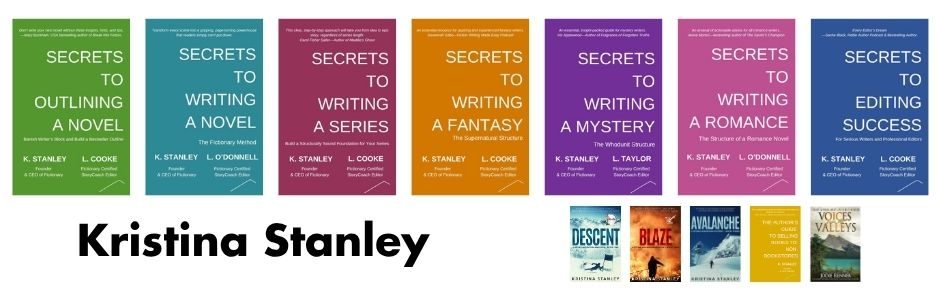
The desire to help writers understand the underlying secrets to writing a compelling mystery that meets readers’ expectations and opens ideas for creativity in storytelling inspired Kristina Stanley and me to write Secrets to Writing a Mystery.
Deep analysis of the structure found in commercially successful mysteries uncovered clues. By identifying what the mysteries have in common as well as their unique twists, we discovered a framework that we hope will inspire every writer to find the path for their mystery. In our book, we share insights and tips aimed to support writers’ creativity while equipping them with the necessary tools to craft their best mystery.
One of the first secrets we unlocked is that a mystery novel solves a crime by answering who committed that crime and why. There are different types of mysteries. We focused on three subgenres that encompass many mysteries: amateur cozy, amateur traditional, and detective. These types share several common aspects:
- The reader learns about the crime early, often on the book jacket description or from early events in the story.
- Neither the reader nor the protagonist knows who the culprit is at the beginning of the story.
- The protagonist might not be in danger at the beginning of the story.
- The protagonist solves the crime in the climax scene.
- There will be multiple suspects until the climax scene.
- In most novels, the antagonist isn’t known until the climax scene.
Do you have an idea for the crime in your book? Write it down. If not, don’t worry. The crime will become clearer as you make other decisions about your story.

I will be sharing insights and unlocking more secrets from our book to inspire your writing. From victims to suspects and clues, through structure and genre expectations, watch for new insights each week.
And if you can’t wait, Secrets to Writing a Mystery is already available to help you solve your own mystery and write your book.
We really hope you do, we love reading mysteries!
Until next time, Lisa.

From the moment the children’s librarian walked a young bookworm upstairs to the Adult Department and introduced her to the mystery section…Lisa Taylor has been hooked on the genre.
For years, Lisa was an educator and librarian, honing her skills in helping readers and writers develop with curiosity and creativity. Now as an editor and writing coach, Lisa works with a small publishing house as well as being a Fictionary Certified StoryCoach Editor and Certified Instructor.
Secrets to Writing a Mystery is Lisa’s first published book. Along with editing and coaching, she is currently writing an amateur cozy mystery series set in Northern Ontario.
Want to Learn to Self-Edit?
Join the Fictionary School for Writers and Editors
Discover more from Kristina Stanley
Subscribe to get the latest posts sent to your email.


Mysteries are my favorite!
LikeLike