Today on Mystery Mondays, we welcome Lucinda E. Clarke, author of Amie African Adventure.
Becoming an Author by Lucinda E. Clarke
I was first published at the age of seventeen – for the church magazine. I had fraudulently volunteered to be the Sunday School teacher in order to gain brownie points for the CV I submitted to teacher training college. I have no idea what I wrote but it got little exposure, as I swiped most of them from the table at the back of the church and took them home to read.
I knew at the age of five that I wanted to be a writer, but life gets in the way, so in between I washed up in kitchens, made pies in factories and dug up dead Romans. I taught children, bred animals for pet shops, cairn terriers and a couple of daughters. Moving to Libya I presented on radio, moved further south and ran the worst riding school in the world in Botswana while teaching and developing photographs. I constructed giant teddy bears, until, in my mid forties I fell into my dream career after an appalling audition in the drama department of the South African Broadcasting Corporation. “You are no great shakes as an actress,” I was told, “but you can write. Go home and write.”
I did, and bombarded every branch of media south of the equator with articles, plays, short stories, reports until I was offered my first contract writing for radio. I graduated to scripting for television, freelancing for a variety of production houses, major corporations, banks, government departments, tourism, covering a vast range of subjects. I was the guest at the party who knew a little about everything and could bore you to tears with my scant knowledge.
Before retiring in 2008, I was running my own video production company in South Africa, supporting children mentioned about, a husband, a St Bernard and the family who kept house for us.
On moving to Spain I discovered an old manuscript under the bed and decided to self publish. I’d been commissioned by two of the Big 5 to write educational books in the 1990’s and decided that self publishing was the way forward for me.
Since then I have scribbled three memoirs, a satirical comedy set in Fairyland and three mystery novels set in Africa (#4 due out in July).
I seldom watch a film or read a book a second time. I like to be surprised at the end, I adore those last minute twists that leave me breathless and that’s the kind of books I like to write. The memoirs were easy, I knew the content and how the story ended. Writing fiction is very different. I start with a basic idea and then my major character Amie takes over and I just write what she tells me to. Often the villain is not who you think it is, and I have a nasty habit of killing people off.
Back in the days when I was scripting for radio I owned four sets of encyclopaedias, today most of my research is on the internet, but since my stories are set in Africa, and I lived there for forty years, I draw on my own experiences.
When I began self publishing I made every mistake in the book. To begin with I didn’t realize you had to market, or even tell anyone I’d written a book – a very different genre to media writing. I made an appalling cover off CreateSpace, self edited (I’d been paid to edit a national magazine, so of course I know how to do it), and sat back and waited to order the super yacht for sale in the nearby harbour.
It didn’t happen.
However I’m self published from choice. I don’t have to prove I can earn my living from writing, I already have, and I’ve turned down offers from small publishing houses. I’m not a control freak but I want to choose my covers and editors, lower my prices when I want to, decide which platforms in which to sell, and retain copyright. I also want as large a slice of the royalties I can get my greedy hands on.
If I was to advise a new writer I can do that in two words. Write. Read.
Today I write for myself. I have no clients to answer to, no propaganda to spin, and if action / adventure, page-turning stories (where no one drinks blood and lives in a dystopian world with elves and dragons) are not in vogue, I don’t care.
Finally, if I can glance at a shelf of books in the old age home with my name on them which will live on long after I’m gone, that is all I ask.
Who Is Lucinda E. Clarke?
 Born in Dublin, dragged up in the Cotswolds, matured and finished off in Liverpool. Family not wildly enthusiastic
about following grandfather into Fleet Street (unfeminine, unreliable and dangerous), so she was packed off to dockland Liverpool to get teaching qualifications (safe, respectable and pensionable).
Lucinda returned south extremely good at self defence. She married and went crofting in Scotland, a disaster, and bred dogs among other things, less of a disaster. She moved to Kenya with 3 week old daughter, abandoned in the bush, then on to Libya, surviving riots, public hangings, imprisoned husband and eventual deportation. Moved to Botswana – still teaching – opened and ran horse riding school with ‘How to…’ book in hand.
Emigrated to South Africa taught for four years, but since 1984, she wrote freelance full time, for major corporations, UNESCO, UNICEF and the SABC for both radio and television. Moving into television production in 1986, she has received over 20 awards, specializing in the fields of education, documentaries, municipal and government.
She has also worked on radio in both Libya and South Africa, had a newspaper column, and was commissioned to write two educational text books. In 1996 she set up her own video production company, and retired to Spain in 2008. Well that was the plan…
AMIE AFRICAN ADVENTURE
 Just an ordinary girl, living in an ordinary town, with nothing but ordinary ambitions, Amie Fish is plunged into hot water when her husband gets posted to a country she’s never heard of. Amie’s ability to adapt and make a life for herself in equatorial Togodo, lands her in more trouble than she could have imagined, her life is threatened and everything she holds dear is ripped away from her. If Amie could have seen that one day she would be totally lost, fighting for her life, and enduring untold horrors, she would never have stepped foot on that plane.
African Adventure is the first book in the ‘Amie’ series – international multi award winning #1 bestsellers on both sides of the Atlantic. From naive, newly-married housewife, Amie faces challenges and dangers that change her beliefs and behaviour beyond all recognition.




 C. T. Collier was born to solve logic puzzles, wear tweed, and drink Earl Grey tea. Her professional experience in cutthroat high tech and backstabbing higher education gave her endless opportunity to study intrigue. Add to that her longtime love of mysteries, and it’s no wonder she writes academic mysteries that draw inspiration from traditional whodunits. Her setting is entirely fictional: Tompkins College is no college and every college, and Tompkins Falls is a blend of several Finger Lakes towns, including her hometown, Seneca Falls, NY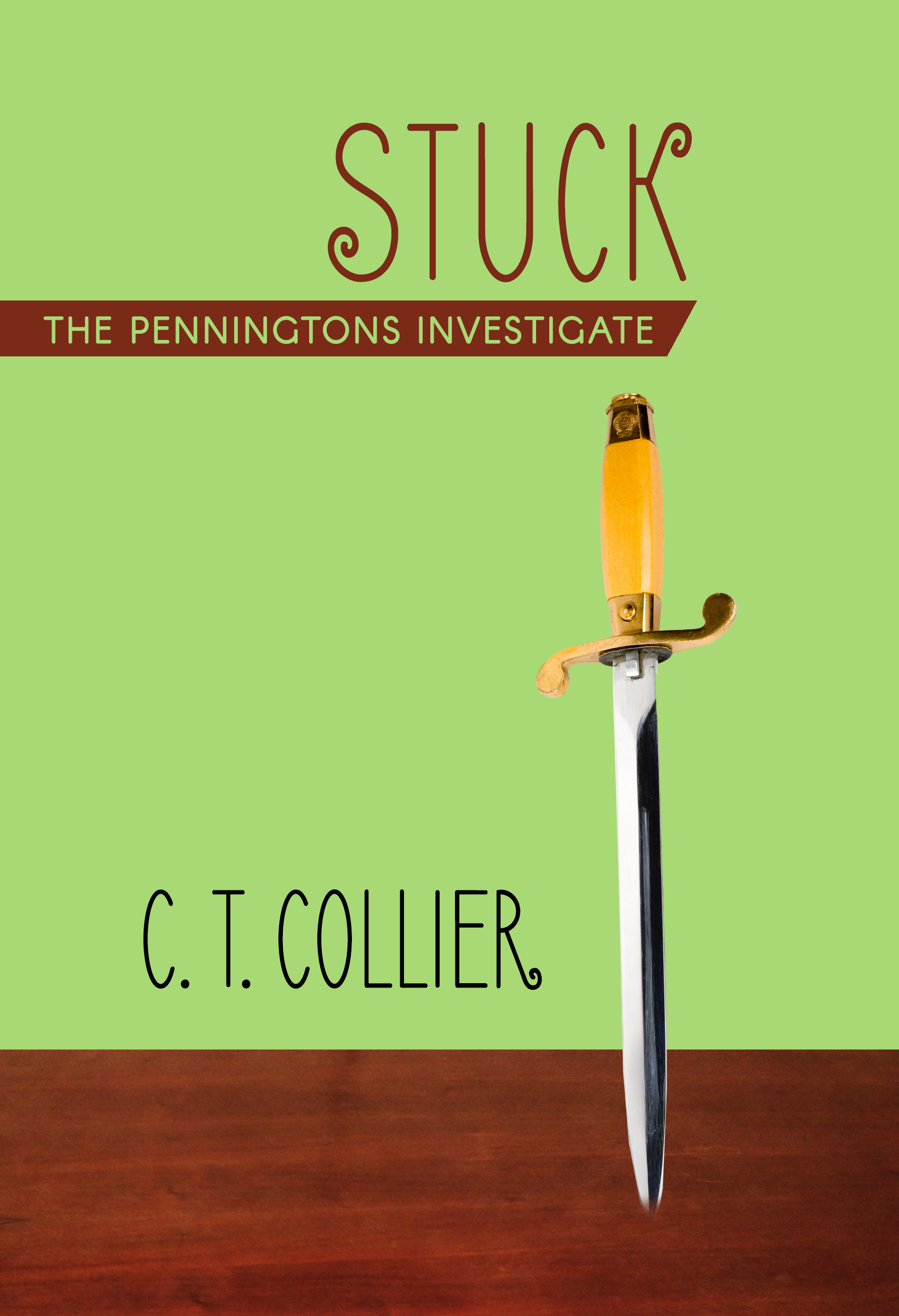

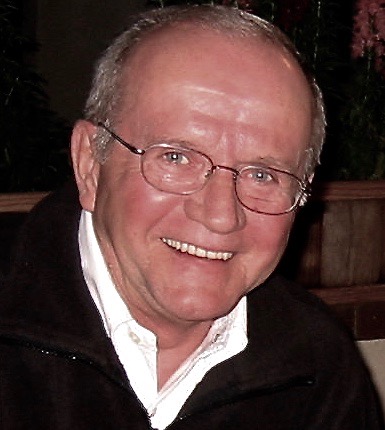





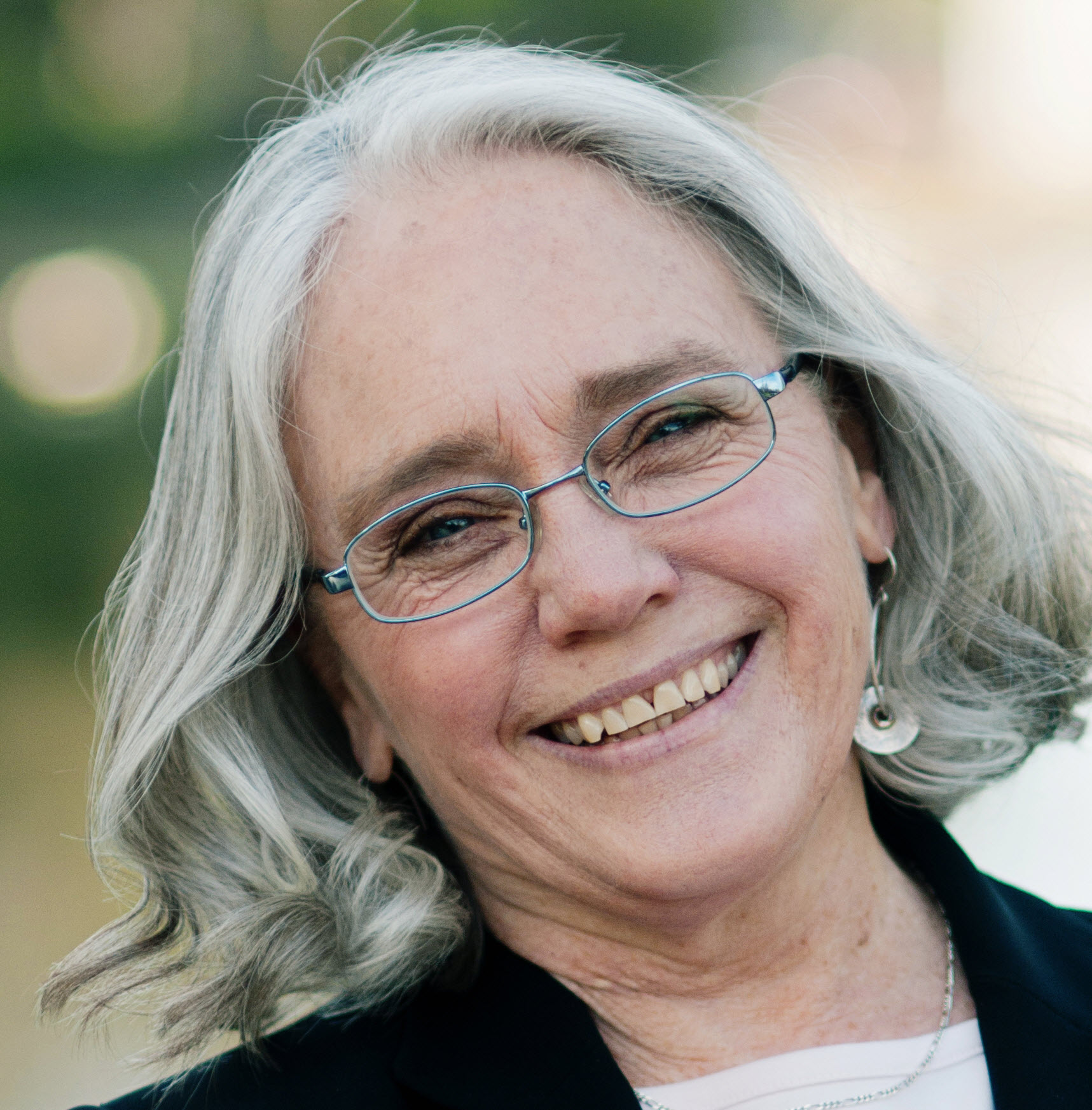 2017 double Agatha-nominated and national best-selling author Edith Maxwell writes the Quaker Midwife Mysteries and the Local Foods Mysteries; as Maddie Day she writes the Country Store Mysteries and the Cozy Capers Book Group Mysteries. Her award-winning short crime fiction has appeared in many juried anthologies and journals, and she serves as President of Sisters in Crime New England.
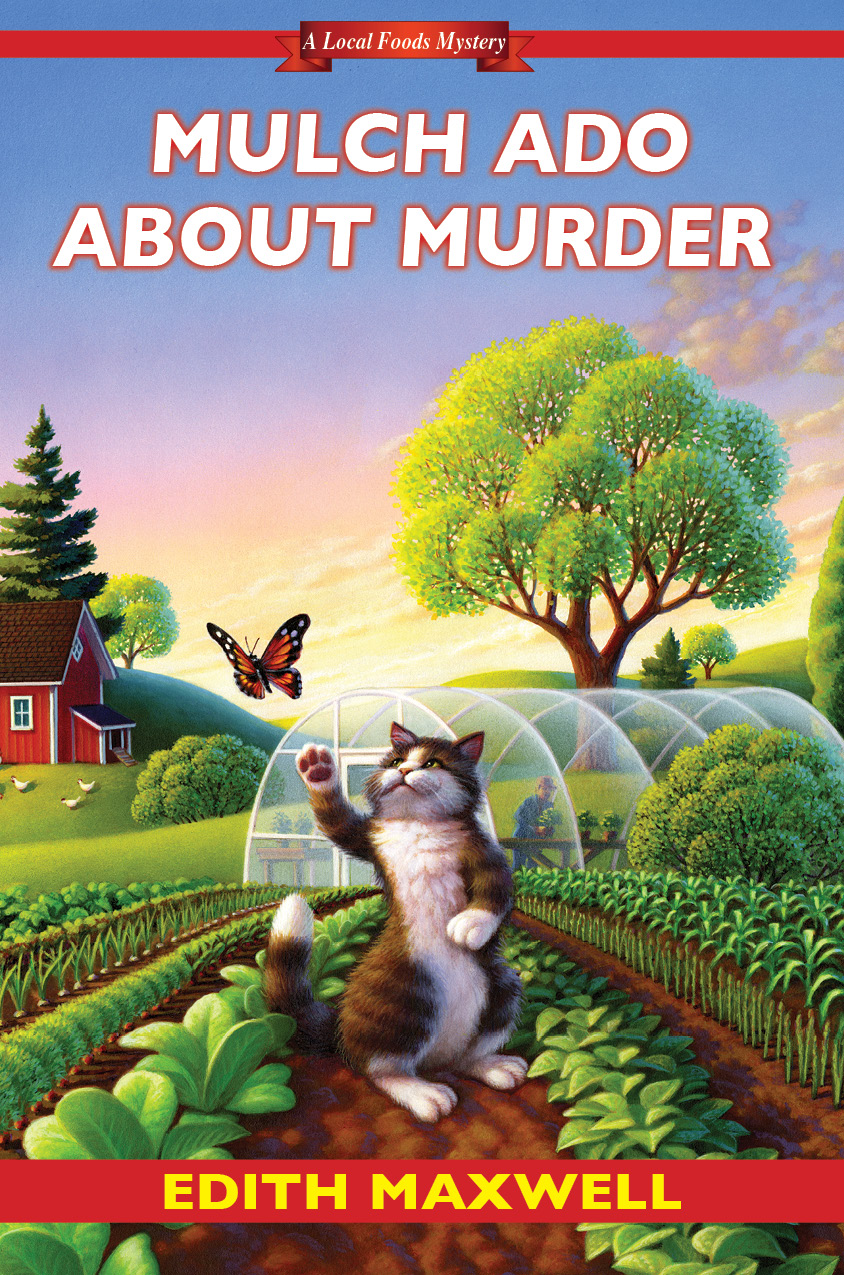 Mulch Ado About Murder

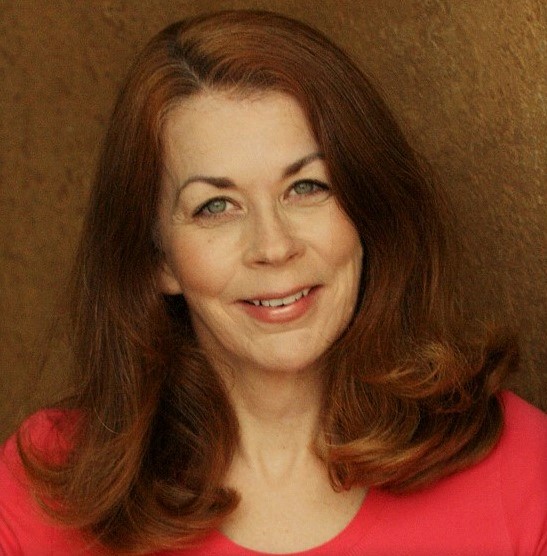 Christina Hoag is a former journalist for the Miami Herald and Associated Press who’s been threatened by a murderer, had her laptop searched by Colombian guerrillas and phone tapped in Venezuela, hidden under a car to evade Guatemalan soldiers, posed as a nun to get inside a Caracas jail, interviewed gang members, bank robbers, thieves and thugs in prisons, shantytowns and slums, not to forget billionaires and presidents, some of whom fall into the previous categories. Kirkus Reviews praised Christina as a “talented writer” with a “well crafted debut” in Skin of Tattoos (Martin Brown Publishing, 2016), a gangland thriller. Her YA thriller Girl on the Brink (Fire and Ice, 2016) was named to Suspense Magazine’s Best of 2016 YA list. She also writes nonfiction, co-authoring Peace in the Hood: Working with Gang Members to End the Violence (Turner Publishing, 2014), a groundbreaking book on violence intervention used in several universities. Christina makes her home in Santa Monica and lives on the web at
 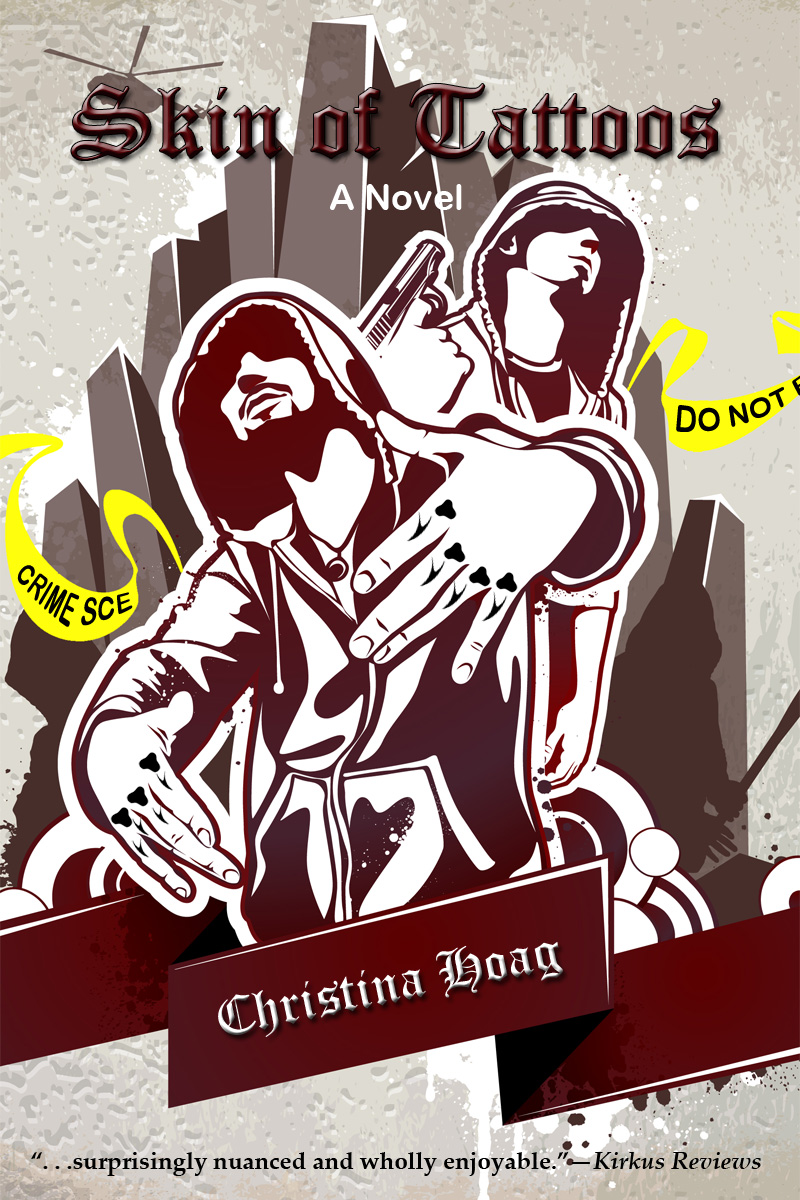 ssession frameup by a rival, Rico, who takes over as gang shotcaller in Mags’s absence. Mags promises himself and his Salvadoran immigrant family a fresh start, but he can’t find either the decent job or the respect he craves from his parents and his firefighter brother, who look at him as a disappointment. Moreover, Rico, under pressure to earn money to free the Cyco Lokos’ jailed top leader and eager to exert his authority over his rival-turned-underling, isn’t about to let Mags get out of his reach. Ultimately, Mags’s desire for revenge and respect pushes him to make a decision that ensnares him in a world seeded with deceit and betrayal, where the only escape from rules that carry a heavy price for transgression is sacrifice of everything – and everyone – he loves.
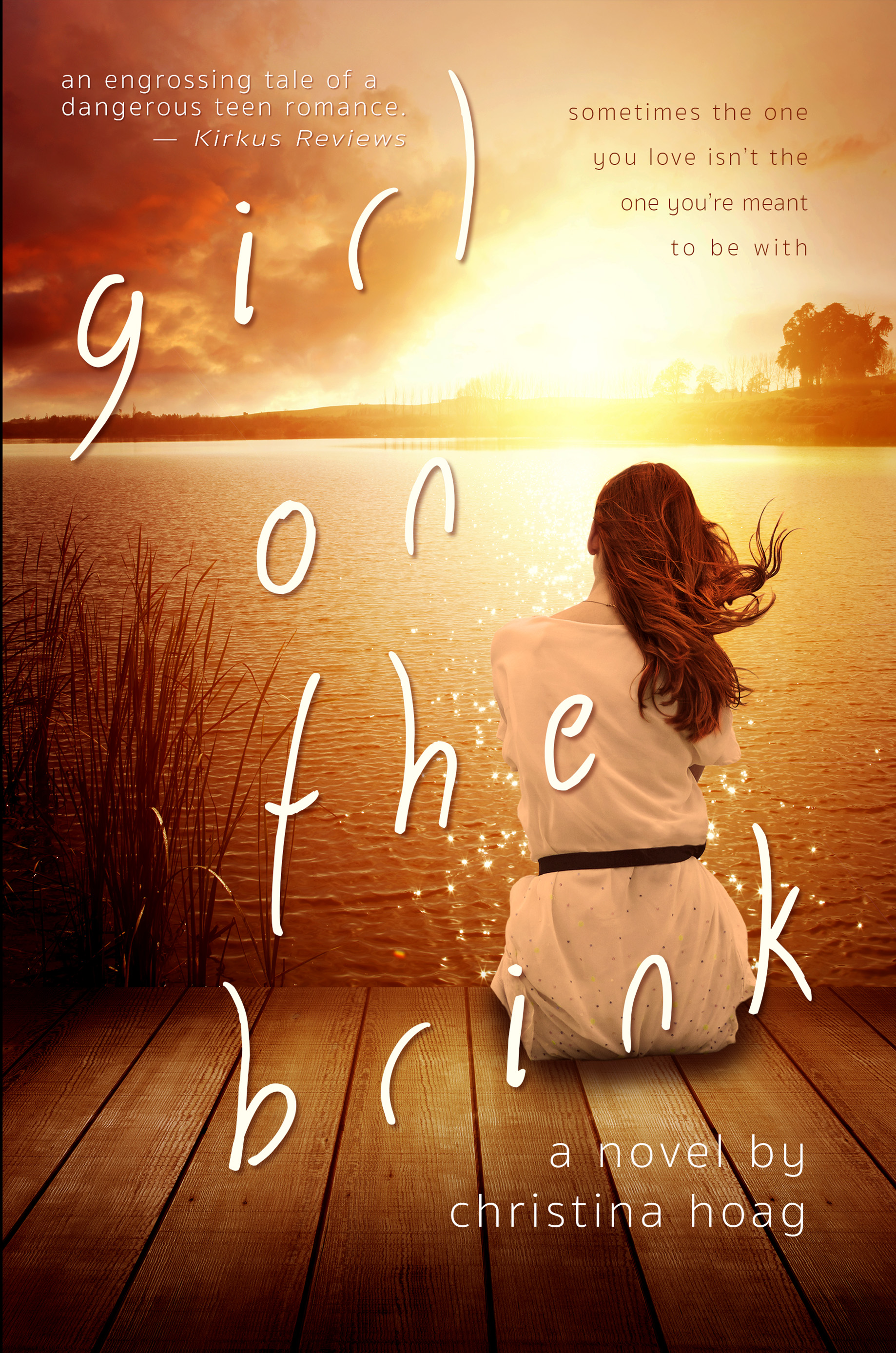 He was perfect. At first. The summer before senior year, Chloe starts an internship as a reporter at a local newspaper. While on assignment, she meets Kieran, a quirky aspiring actor. Chloe becomes smitten with Kieran’s charisma and his ability to soothe her soul, torn over her parents’ impending divorce. But as their bond deepens, Kieran becomes smothering and flies into terrifying rages. He confides in Chloe that he suffered a traumatic childhood, and Chloe is moved to help him. If only he could be healed, she thinks, their relationship would be perfect. But her efforts backfire, and Kieran turns violent. Chloe breaks up with him, but Kieran pursues her relentlessly to make up. Chloe must make the heartrending choice between saving herself or saving Kieran, until Kieran’s mission of remorse turns into a quest for revenge.
