Farley’s Friday: There’s a Mouse in the Hot Tub

Farley here,

I am one busy dog. I don’t know how my humans would take care of this place if I wasn’t here.

They, my humans, don’t seem to have any sense of smell and are a little hard of hearing.

I hear a squeak. I smell the mouse from inside our house.

I run to the door, wag my tail, and stare outside. This is where the humans are quite smart. Kristina knows this means she must open the door for me. I don’t bark, whine, or scratch the door. She can read my mind. I just stare, and she does what I want.

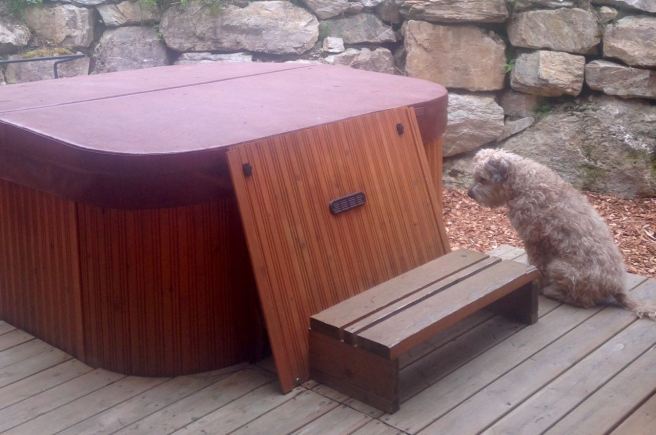
I burst outside and circle the tub. I know a mouse is hiding inside, but I can’t get to it. All I need to to is scare it, and it will run away.

After an hour or two, I get a little tired and just sit and stare. Maybe the mouse can read my mind too, and it will know it should leave.

Farley Hot Tub

Darkness comes. My humans make me come inside and go to bed. I don’t want to, but I know I have too. I’m getting a little cold anyway.

Morning comes, and before I do anything else, I run to the hot tub and search for the mouse. I can’t hear it and I can’t smell it. It’s gone.

I’ve done my job and scared the mouse away!

Woof Woof.


The EDITING App You Need – Guest Blog Post by Kristina Stanley | Dan Alatorre – AUTHOR

Dan Alatorre

is author of numerous best sellers, host of the YouTube video show Writers Off Task With Friends, blogger… and father to a hilarious and precocious daughter, “Savvy” of the bestselling book series Savvy Stories. His novels, short stories, illustrated children’s books and cookbooks have been translated into 12 different languages and are enjoyed around the world.

So why am I talking about Dan? Dan graciously hosted my guest post yesterday on his blog, and I’d like to share that with you.

So over to Dan’s blog: The EDITING App You Need – Guest Blog Post by Kristina Stanley | Dan Alatorre – AUTHOR

***

Kristina Stanley has been a friend of the blog for quite a while. As a fellow author she noticed several things we writer types struggle with and set about finding a way to help. I’ll let her…


Romancing Your Novel With A Big-Picture Edit

In honor of the Get Social Blog Hop, I’d like to cover editing a romance novel. You can find other blogs on the hop are here.

get2bsocial2bevent

Some of you may know, my upcoming book is a mystery, but it’s different from the Stone Mountain Series in that it has more romance in it.

There are many areas to cover when you’re editing your first draft, and today I’ll cover four Key Elements of Fiction important to romance novels.

Screen Shot 2017-06-03 at 9.33.09 AM Point of View

Screen Shot 2017-06-03 at 9.33.09 AM Characters on Stage

Screen Shot 2017-06-03 at 9.33.09 AM Spice (Conflict and Tension)

Screen Shot 2017-06-03 at 9.33.09 AM Purpose of each Scene

Even in real life, romance takes effort. The same is true for creating a romance novel that sizzles.

Screen Shot 2017-06-03 at 9.33.09 AMPoint of View


Point of View (POV) is the perspective the story is told from. It is generally accepted that each scene is written from the point of view of one character.

In a romance novel, you have to make choices on who the POV character will be. It can be mostly the hero, mostly the heroine, or an equal balance between the two. By using both points of view, you’ll be showing the feelings and thoughts from both characters.

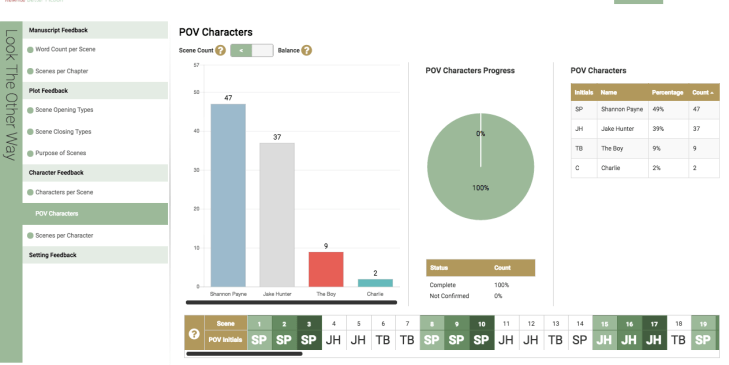
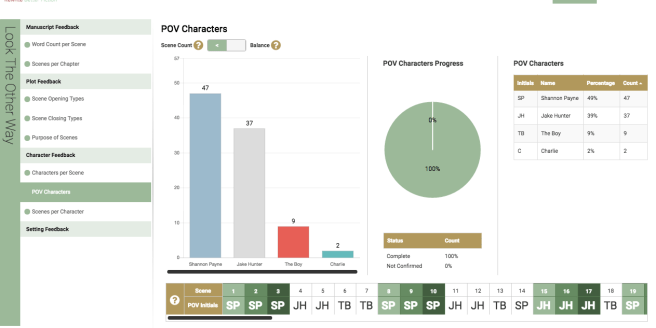
The Feedback tool for writers illustrates how many scenes each POV character has and what order they appear in. In Look The Other Way, Shannon (heroine) has the POV for 47 scenes, and Jake (hero) has the POV for 37 scenes. The graph along the bottom shows the order of the point of view, allowing me to make sure I’m switching between the hero and heroine regularly.

POV Characters

Screen Shot 2017-06-03 at 9.33.09 AMCharacters on Stage


There can only be romance if both the hero and heroine are in a scene together. Keep track of how many scenes you have where only one is in the scene versus scenes where both characters are onstage. The Feedback app does this for you.

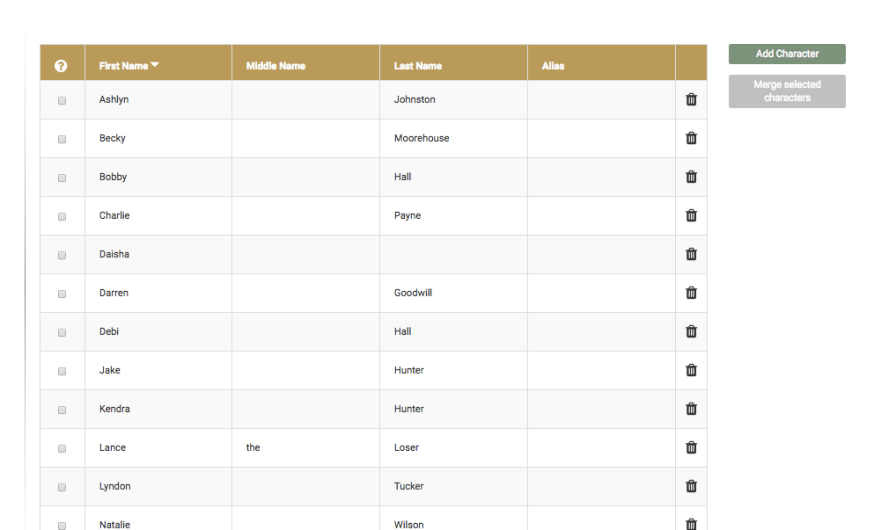
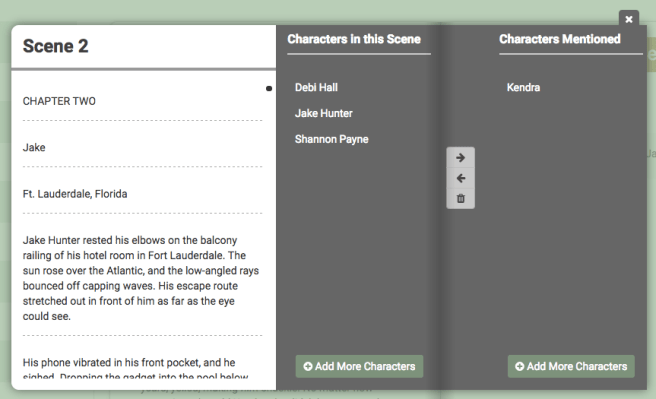
Below, Jake and Shannon are both in the scene along with another character Debi Hall. Kendra is Jake’s cousin and is only mentioned in the scene. The scene is from Jake’s point of view, so the reader will see and hear things from his view point only. The reader won’t know what Shannon thinks or feels unless Jake comments on it or thinks about it or Shannon says something.

Character in Scene LTOW

Screen Shot 2017-06-03 at 9.33.09 AMSpice


To keep the story exciting there must be conflict and tension between the hero and heroine. If you’re writing a happy-ending romance, the hero and heroine will resolve the conflict and tension by the end of the story and live happily ever after.

The two can be working toward the same goal, but maybe they go about it differently and that causes the tension.  This resolution must not happen until the end. Each scene until the end must have conflict or tension or both.

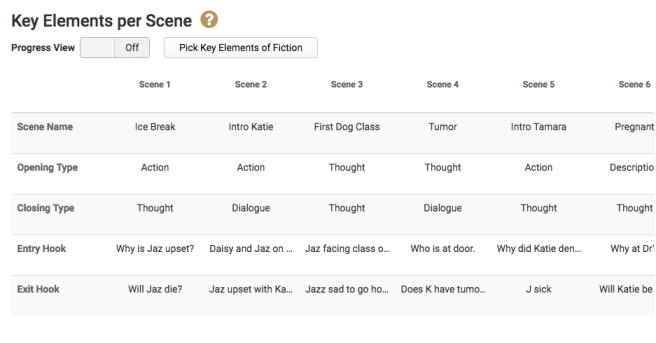
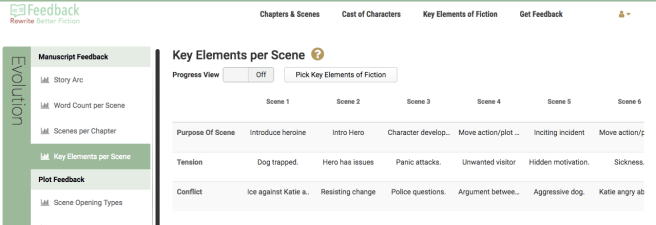
Feedback enables you to see what conflict and tension are in each scene. You can see if the tension and conflict are in line with the purpose of scene. Just make sure you have either conflict or tension in every scene. You don’t have to have both.

Here you’re getting a sneak peek at my work in progress, Evolution.

Conflict Tension

Screen Shot 2017-06-03 at 9.33.09 AMPurpose of Each Scene


The romance genre requires a special look at the purpose of each scene. In a mystery, the sole purpose of a scene may be to drop a clue or a red herring into a scene. But in a romance novel, the purpose of a scene may revolve around character development, driving the romance forward, or driving the romance backward.

Here are some of the key scenes you’ll need.

  • Introduce heroine and set up her world
  • Introduce hero and set up his world
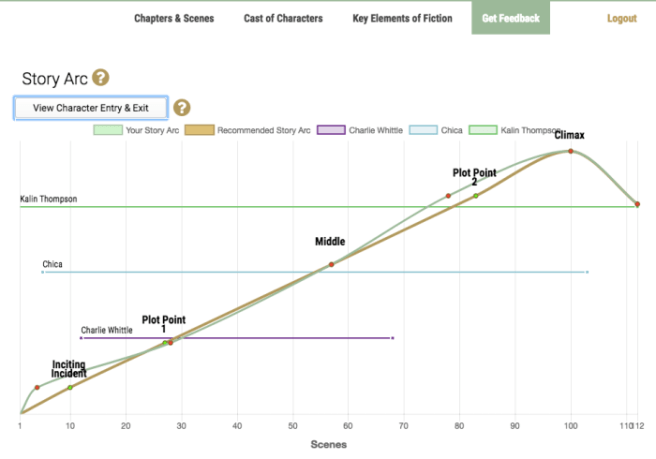
  • Inciting incident – something happens in their world that will cause them to meet.
  • First kiss
  • Plot point one – the hero and heroine face something difficult
  • Middle – the characters can’t turn back to the story. They may also decide they are not right for each other.
  • First quarrel
  • Plot point two – their relationship is at its worst
  • Finally get together
  • Resolution

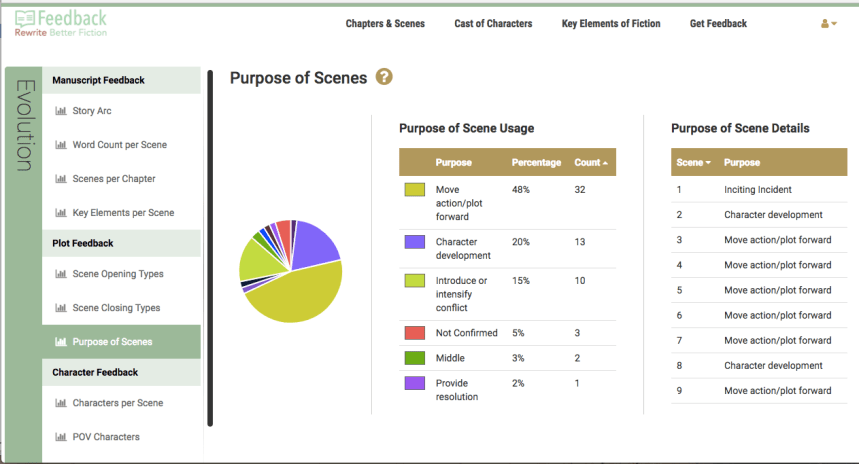
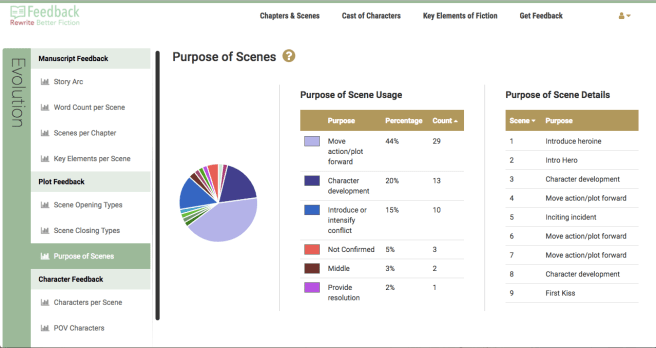
In the following, which is the Feedback insight into Purpose of Scene for my work in progress Evolution, you can see in the first 9 scenes, the hero and heroine meet, there is tension between them and they have their “first kiss.” You can also see 44% of the scenes in this novel are moving the story forward.  This means there is more than romance in the story and the hero and heroine have a goal they are desperate to achieve.

Feedback will help you keep track of the romance and its progression as you self-edit your novel.

Purpose of Scene Romance

More Self-Editing Advice

BIG-PICTURE EditingIf you’re looking for more help on self-editing download the free eBook, BIG-PICTURE Editing And The Key Elements Of Fiction and learn how big-picture editing is all about evaluating the major components of your story. We call these components the Key Elements Of Fiction.  Our eBook shows you how to use the key elements of fiction to evaluate your story and become your own big-picture editor.

Interested In An Automated Approach To Big-Picture Self-Editing?

Feedback Innovations (which I happen to be the CEO of) is building the Feedback app.

Feedback is the first web app to help fiction writers evaluate their own work with a focus on story, not words.

With Feedback, you can focus on plot, character, and setting. You can evaluate on a scene-by-scene basis or on overall novel structure. Feedback will show you the most important structural elements to work on first.

Feedback will guide you through the rewriting process by asking you questions specific to your manuscript, enabling you to evaluate your own story.

Feedback helps you visualize your manuscript. Forget about yellow stickies or white boards. Feedback will draw character arcs, provide reports on scene evaluation, and show your rewriting progress.

Happy editing and thanks for reading…

Farley’s Friday: Dog and Bear

Farley here.

Deep sleep to wide awake. I smell it. I stand and walked stiff-legged to the window.

DSC_1109.JPG
Farley’s Bear Impersonation

I take a deep sniff. There’s a bear behind my house.

I growl. Deep in my throat and that wakes my human.

“What’s wrong?” Kristina asks but doesn’t raise her head.

I bark.

She rolls over.

I bark again and jump on her. This gets her attention.

I run back to the window and bark some more. This gets the neighbor’s dogs going.

My humans turn on the flood light, and sure enough, there’s a bear in the back yard.

I run to the basement, hide in the closet, and bark as loud as I can.  My barks echo here, so I know I’m loud.

When I hear all is quiet, I slink  back upstairs and check.  The bear is gone.

Good thing I was here to talk care of things.
Woof Woof.

Mystery Mondays: Call For Authors

Promoting Reading – Promoting Authors

Mystery Mondays began in July 2015. Authors from many genres who write with a hint of mystery have told you about their books, answered your questions about writing and shared their thoughts with you. Every Monday, you’ve be introduced to another author and maybe discovered someone you’re not familiar with.

Are you interested in guest blogging?

I am now accepting guest blog requests for the remainder of 2016 starting on June 26th (although some spots are books throughout the summer). If you’re interested contact me here.

If you’d like to participate, here’s what you need to qualify:

  • you are a published author – traditional or Indie or any other way that I don’t know about,

OR

  • you are about to publish and have a launch date within a week of blog post,

AND

  • you want to promote other authors and spread success,
  • you write novels with a hint of mystery,
  • you are willing to engage in the comments section when readers comment on your post.

All I ask from you is that you follow my blog, comment on author’s posts and help share via Twitter and Facebook.  If you’re interested send me a message via my contact page.

The Requitements:

You’ll have to send me your bio, back text of your novel, author photo and book cover.

I’d like you to write something about yourself, your novel, your research, a writing tip or a publishing tip. Please keep in mind I am a family friendly blog.

I do reserve the right to edit anything I think might be inappropriate for my audience, which I will discuss with you first. I think anything under 700 words is great, but it’s your book so up to you.

I’m looking forward to hearing from you and sharing your novel with the Internet world.

Mystery Mondays: Elaine Cougler with 7 Reasons Why Writers Need To Be Speakers

This week on Mystery Mondays, it is my great pleasure to host author Elaine Cougler. Elaine was one of the very first authors to connect with me when I first started writing a blog. Years have gone by, and we still support each other in our work. It’s a wonderful thing to have a friend I’ve never met but feel like I know.

Elaine first appeared on Mystery Mondays in November 2016 with a post about Linking History and Fiction.

Today, she’s here with another topic.

7 Reasons Writers Need To Be Speakers by Elaine Cougler

Screen Shot 2017-05-28 at 4.46.58 PMWhen I first talked to Kristina about appearing on her Monday Mystery blog, we discussed a new book I was working to finish and that this would be a lovely place to write about it. As sometimes happens in this writing life my muse took a holiday and left me to click clack on the keyboard alone; hence, I have no new book to announce just yet.
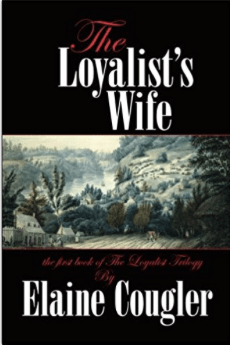
What I do have, though, is the voice of experience—my experience with my first three books, my Loyalist trilogy, and their marketing.

I made the mistake most new writers make in not paying attention to marketing until after I had the book published. I was busy enough I thought. Then three weeks into my new life as a published author receiving book orders from friends and family—all so supportive—I got the call to speak at a meeting in my city. And I could take my books to sell.

Coming into that event I had twenty-five years experience as a high school teacher and many more years as a singer, both “on-stage” pursuits that helped me battle the nerves and just have fun with my audience. Well that particular meeting changed my life.

I took my place at the podium with the mic and the electronic pointer for my slides. I’d barely begun when one of the men—the audience was all men—walked to the front of the room close to where I was. Distraction. I ignored it. In a moment he was up there again and this time my teacher voice kicked in. “There’s one in every class.” I laughed and pointed at the offender. The all male audience roared. I relaxed and so did they. And the man stayed in his seat from then on.

This incident shows that even though they all knew each other and most certainly knew this man, they shared a characteristic of all audiences. They wanted me, their guest speaker, to succeed. And they could see this man’s distraction. They loved it when I took over the stage and made it my own. As author-speakers we need to remember the audience is with us. They are most comfortable when we speakers succeed.

Here are a few other points that might convince all of us writers to be ready to talk about our books:

  1. Our books compete with literally millions of other new titles published in the world each year. We have to try to stand out in order to even be noticed. We can do that on stage.
  2. There’s nothing like personal contact where potential readers can hear about our stories right from the author’s lips. A smile goes a long way.
  3. A speaker has a captive audience. What a great way to engage potential readers who may want to give your book a try.
  4. We get to read excerpts from our books and if we’re smart we’ll pick parts that end with a cliffhanger. I have one chapter that ends with Lucy having a nightmare. I ended it with her sitting up in bed and the last line is “Someone was in the room.” My audience wants to know what happens and I sell books.
  5. If you publicize your event, you get publicity even if not everyone who reads the ad comes to your event. I do this on Facebook a lot. That reminds me that I’ve got to put an event for this Saturday up there! (I’m helping my friend who has a recording studio do a workshop on recording books. He did mine.)
  6. You meet others who can add to your own knowledge about your subject. This happens to me because I write historical fiction and it also leads me to other gigs. Check your own area for clubs such as reading clubs, historical groups, book clubs, library clubs, church groups, Women’s Institute or similar groups, ancestry groups, schools and any other organizations whose purpose relates to your book. Because I’ve written about the Loyalists, many of those Canadian groups have contacted me, eager to engage about our common loyalist ancestry.
  7. People will introduce you to their friends as a writer. You need to have your 15-second elevator pitch down cold because they will ask what you write about. And be excited, not apologetic. Let your eyes shine. You’ll see soon enough who wants to hear more and who is not the slightest bit interested. It’s okay. Not everyone is a reader. At book selling events I often ask people who are kind enough to stop at my table if they are readers. If they say no, that’s fine. They may buy books for someone who is a reader. The trick is to find out. And not to be pushy!

The audience does want you to succeed. And you want to give them what they want. Take the time to practice your talk. Get comfortable with it. If you go for a prepared speech, make sure you don’t just read it. Mark places to look up, engage your audience with questions, let them see you’re a person. You can even do self-deprecating humour where you laugh at yourself.

I often mention the catalyst for this journey of mine, my son, who asked me if there was anything I wished I had done in my life that I hadn’t yet tackled. I answered, “Write a novel.” He replied with a long list of my accomplishments, which I tell them, and then I interject “I think he wanted money or something.” They laugh. And I go on with his final bit “If not now, when?” It really was the catalyst. The next week I bought How to Write and Sell Your First Novel and I was off on this great self-defining adventure.

All three books in the Loyalist trilogy are available on Amazon.

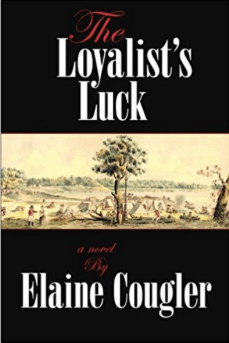
Screen Shot 2017-05-28 at 4.45.25 PMAfter the crushing end of the War of 1812, William and Catherine Garner find their allotted two hundred acres in Nissouri Township by following the Thames River into the wild heart of Upper Canada. On their valuable land straddling the river, dense forest, wild beasts, displaced Natives, and pesky neighbors daily challenge them. The political atmosphere laced with greed and corruption threatens to undermine all of the new settlers’ hopes and plans. William knows he cannot take his family back to Niagara but he longs to check on his parents from whom he has heard nothing for two years. Leaving Catherine and their children, he hurries back along the Governor’s Road toward the turn-off to Fort Erie, hoping to return home in time for spring planting.
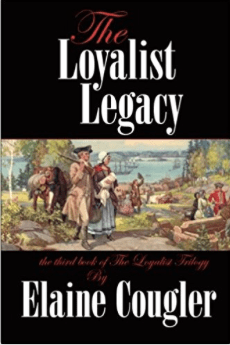
With spectacular scenes of settlers recovering from the wartime catastophes in early Screen Shot 2017-05-28 at 4.46.11 PMOntario, Elaine Cougler shows a different kind of battle, one of ordinary people somehow finding the inner resources to shape new lives and a new country. The Loyalist Legacy delves further into the history of the Loyalists as they begin to disagree on how to deal with the injustices of the powerful “Family Compact” and on just how loyal to Britain they want to remain.
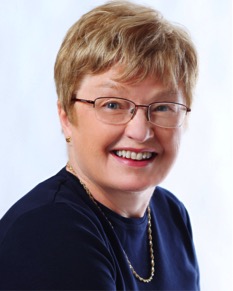
 

Elaine low reswww.elainecougler.com

Elaine Cougler is on Twitter, LinkedIn and YouTube

www.facebookcom/ElaineCouglerAuthor


Farley’s Friday: My Predecessor Is In The News!

Farley here,

Kristina had a dog before me, and I’m just a little bit jealous. Chica was a Yellow Lab, and when Kristina talks about her, she gets this wistful look in her eye.

I know she loves me, but I think she loved Chica, too. I guess that’s ok.

Today, Chica appears in a blog by Judy Penz Sheluk and she’s talking about some funny things she did a work with Kristina.

You can check out the interview if you want. I won’t mind…

Find Chica at: Before They Were Authors: Kristina Stanley | Judy Penz Sheluk

Kristina Stanley is the author of the bestselling Stone Mountain Mystery series, published by Imajin Books (who also happens to be the publisher of my Marketville Mystery series). The series is set…


Mystery Mondays: Lucinda E Clarke On Becoming an Author

Today on Mystery Mondays, we welcome Lucinda E. Clarke, author of Amie African Adventure.

Becoming an Author by Lucinda E. Clarke

I was first published at the age of seventeen – for the church magazine. I had fraudulently volunteered to be the Sunday School teacher in order to gain brownie points for the CV I submitted to teacher training college. I have no idea what I wrote but it got little exposure, as I swiped most of them from the table at the back of the church and took them home to read.

I knew at the age of five that I wanted to be a writer, but life gets in the way, so in between I washed up in kitchens, made pies in factories and dug up dead Romans. I taught children, bred animals for pet shops, cairn terriers and a couple of daughters. Moving to Libya I presented on radio, moved further south and ran the worst riding school in the world in Botswana while teaching and developing photographs. I constructed giant teddy bears, until, in my mid forties I fell into my dream career after an appalling audition in the drama department of the South African Broadcasting Corporation. “You are no great shakes as an actress,” I was told, “but you can write. Go home and write.”

I did, and bombarded every branch of media south of the equator with articles, plays, short stories, reports until I was offered my first contract writing for radio. I graduated to scripting for television, freelancing for a variety of production houses, major corporations, banks, government departments, tourism, covering a vast range of subjects. I was the guest at the party who knew a little about everything and could bore you to tears with my scant knowledge.

Before retiring in 2008, I was running my own video production company in South Africa, supporting children mentioned about, a husband, a St Bernard and the family who kept house for us.

On moving to Spain I discovered an old manuscript under the bed and decided to self publish. I’d been commissioned by two of the Big 5 to write educational books in the 1990’s and decided that self publishing was the way forward for me.

Since then I have scribbled three memoirs, a satirical comedy set in Fairyland and three mystery novels set in Africa (#4 due out in July).

I seldom watch a film or read a book a second time. I like to be surprised at the end, I adore those last minute twists that leave me breathless and that’s the kind of books I like to write. The memoirs were easy, I knew the content and how the story ended. Writing fiction is very different. I start with a basic idea and then my major character Amie takes over and I just write what she tells me to. Often the villain is not who you think it is, and I have a nasty habit of killing people off.

Back in the days when I was scripting for radio I owned four sets of encyclopaedias, today most of my research is on the internet, but since my stories are set in Africa, and I lived there for forty years, I draw on my own experiences.

When I began self publishing I made every mistake in the book. To begin with I didn’t realize you had to market, or even tell anyone I’d written a book – a very different genre to media writing. I made an appalling cover off CreateSpace, self edited (I’d been paid to edit a national magazine, so of course I know how to do it), and sat back and waited to order the super yacht for sale in the nearby harbour.

It didn’t happen.

However I’m self published from choice. I don’t have to prove I can earn my living from writing, I already have, and I’ve turned down offers from small publishing houses. I’m not a control freak but I want to choose my covers and editors, lower my prices when I want to, decide which platforms in which to sell, and retain copyright. I also want as large a slice of the royalties I can get my greedy hands on.

If I was to advise a new writer I can do that in two words. Write. Read.

Today I write for myself. I have no clients to answer to, no propaganda to spin, and if action / adventure, page-turning stories (where no one drinks blood and lives in a dystopian world with elves and dragons) are not in vogue, I don’t care.

Finally, if I can glance at a shelf of books in the old age home with my name on them which will live on long after I’m gone, that is all I ask.

Who Is Lucinda E. Clarke?

LUCINDA 3 APRIL 2016Born in Dublin, dragged up in the Cotswolds, matured and finished off in Liverpool. Family not wildly enthusiastic
about following grandfather into Fleet Street (unfeminine, unreliable and dangerous), so she was packed off to dockland Liverpool to get teaching qualifications (safe, respectable and pensionable).

Lucinda returned south extremely good at self defence. She married and went crofting in Scotland, a disaster, and bred dogs among other things, less of a disaster. She moved to Kenya with 3 week old daughter, abandoned in the bush, then on to Libya, surviving riots, public hangings, imprisoned husband and eventual deportation. Moved to Botswana – still teaching – opened and ran horse riding school with ‘How to…’ book in hand.

Emigrated to South Africa taught for four years, but since 1984, she wrote freelance full time, for major corporations, UNESCO, UNICEF and the SABC for both radio and television. Moving into television production in 1986, she has received over 20 awards, specializing in the fields of education, documentaries, municipal and government.

She has also worked on radio in both Libya and South Africa, had a newspaper column, and was commissioned to write two educational text books. In 1996 she set up her own video production company, and retired to Spain in 2008. Well that was the plan…

AMIE AFRICAN ADVENTURE

AMIE 1 NEW COVER KINDLE HIGHER RESJust an ordinary girl, living in an ordinary town, with nothing but ordinary ambitions, Amie Fish is plunged into hot water when her husband gets posted to a country she’s never heard of. Amie’s ability to adapt and make a life for herself in equatorial Togodo, lands her in more trouble than she could have imagined, her life is threatened and everything she holds dear is ripped away from her. If Amie could have seen that one day she would be totally lost, fighting for her life, and enduring untold horrors, she would never have stepped foot on that plane.


African Adventure is the first book in the ‘Amie’ series – international multi award winning #1 bestsellers on both sides of the Atlantic. From naive, newly-married housewife, Amie faces challenges and dangers that change her beliefs and behaviour beyond all recognition.


Farley’s Friday: The Creeks Are Running, And So Are The Dogs

Farley here,

The snow melted, and it seems to have gone into the creeks.  The water level is almost at my tummy. Ok, that’s an exaggeration. It’s above my paws. But that’s deep enough for me.

I don’t like to go in water over my head so this is perfect.

Yesterday, I played hard with my pal, Flint.

Farley Flint

And the reward…drinks in the creek. Cold water. Sticks to chase. What could be better?

Woof Woof.


Learn How To Self-Edit #AuthorToolboxBlogHop

Nano Blog and Social Media Hop2

Thank you, Raimey Gallant for organizing the #AuthorToolboxBlogHop. Today is the second post of this new series, and I’m very excited to be part of it.

This is a monthly blog hop on the theme of resources/learning for authors: posts related to the craft of writing, editing, querying, marketing, publishing, blogging tips for authors, reviews of author-related products, anything that an author would find helpful.

To continue hopping through other great blogs in the monthly #AuthorToolboxBlogHop or to join, just hop on over to Ramey Gallant!

I’ll focus this entire series on self-editing. The first blog in my series covers Why Learn To Self-Edit.

Why do people read novels?

 Today, let’s talk about characters in the context of editing. 

I think it’s to find out what happens next. But what happens next is only interesting if it the “what happens next” involves characters or something that is important to a character.

Characters ARE your story. They act and react. They create emotion. They show motivation. Without any of this, you don’t have a story. That’s a tall order for your characters. So how do you make sure you’re getting the most out of them?

You rewrite and revise until your characters are performing at their best.

Taking on the task of rewriting your first draft doesn’t have to be overwhelming. A little bit of organization will help you complete your rewrite without it taking forever.

Characters and Novel Structure

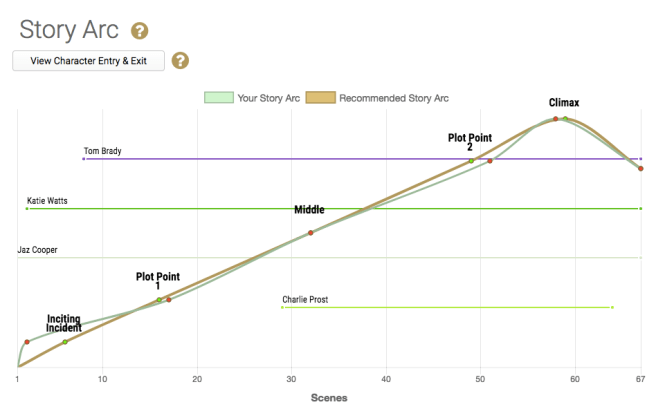
You’ve finished your first draft, so most likely you know who your characters are, what they look like, where they work and so on. But what about how they fit into your story structure? To understand this and make the most of it, you must evaluate your characters in the context of the structure of your novel.

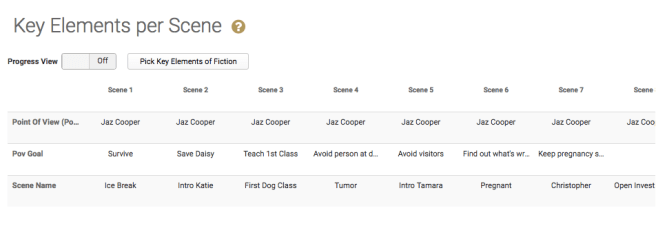
By this point, you’ll also know if you’re writing from first person point of view (POV) or third person. You’ve also decided if you are writing from multiple points of view. In essence, you know who is telling your story. Feedback will help you keep track of POV and how you balance your POV scenes throughout the novel.

When thinking about the POV character for each scene, ask yourself:

  • What is the POV goal for the scene?
  • How does the goal relate to the plot?
  • What or who is working against the POV goal?
  • What happens if your POV doesn’t achieve the goal?
  • How does scene affect your POV character?

Once you’ve answered the questions, check each scene to ensure the reader will understand the answers. You can show, tell, or imply the answers. It’s up to you to find the right balance. The more important the event, the more you should show the reader what’s happening. The less important could be told quickly, so the reader can move on to the good stuff.


Join the Fictionary School for Writers & Editors