One of the most common questions I hear when I tell people I co-authored a craft book on writing romance is, “Does it really have to end with a happily ever after?” The short answer is yes. The longer answer is far more interesting, because it gets to the heart of what makes romance such a powerful and enduring genre. If you’re new to writing romance, understanding this expectation will save you a lot of confusion and revision down the road.
Romance isn’t defined by the presence of a love story. Plenty of novels contain love stories — literary fiction, thrillers, historical, even horror. A romance is defined by its promise: the central relationship must resolve in a way that is emotionally satisfying for the reader. In other words, it must end with either an HEA (Happily Ever After) or an HFN (Happy For Now). Think of an HEA as “we’re in it for the long haul” and an HFN as “we’re together and happy, and we’ll see where life takes us.”
This isn’t a formula. It’s a contract.

When a reader picks up a romance, they’re entering into an agreement with the author. They’ll endure the wounds and fears, the complications and obstacles you put in the character’s path, trusting that, in the end, their heart is safe. The HEA/HFN is the fulfillment of that promise. It’s the moment when the emotional arc lands, the internal epiphanies click into place, and the characters choose each other in a way that feels earned.
An HEA is the classic version: the couple is together, committed, and looking toward a shared future. It doesn’t require a wedding, a ring, or a baby. It simply requires clarity: the reader closes the book knowing the relationship is solid, and the characters have done the work to make it last.
An HFN offers a future that’s hopeful, even if it’s not fully mapped out. HFNs are especially common in romance series arcs or in stories where the characters are still in transitional phases of life. The key is that the ending feels emotionally complete, even if the future isn’t yet spelled out.
If you’re new to romance, you might worry that this makes your story predictable or less “serious.” In reality, readers choose romance because they want that emotional payoff. Your job isn’t to surprise them with whether it ends happily, but to surprise and move them with how it happens. Genre expectations don’t limit creativity; they shape it. Mysteries must solve the crime. Thrillers must stop the threat. Romance must resolve the relationship. Readers want to feel hopeful and secure about the couple’s future. Within that framework, authors set their stories apart through character depth, emotional complexity, unique conflicts, and fresh settings. The HEA/HFN simply ensures that the emotional journey lands where romance readers need it to.

And readers do need it. Romance is one of the few genres that consistently affirms hope — not in a naïve way, but in a deeply human one. These stories remind us that people can grow, relationships can heal, and love is worth the risk. In a world that often feels chaotic and uncertain, that promise matters.
So yes, a romance requires an HEA or HFN. Not because the genre is rigid, but because the emotional payoff is the point. It’s what makes romance comforting, cathartic, and profoundly satisfying. It’s what keeps readers coming back. And it’s what makes writing romance such a joyful, meaningful pursuit.
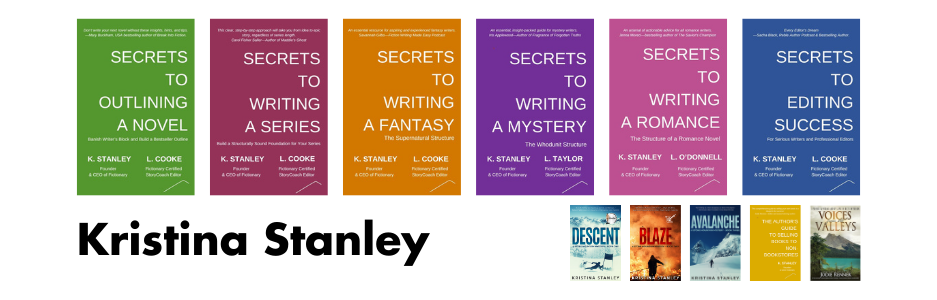
To learn more about Happily Ever Afters and other romance topics, pick up a copy of Secrets to Writing a Romance.
Post Written by Linda O’Donnell

Linda O’Donnell is a writer, certified structural editor, certified copy editor, and a writing and editing instructor. She co-authored Secrets to Writing a Romance with Kristina Stanley, and together they are working on their latest book, Secrets to Writing a Novel. Linda’s contemporary romance novel, Behind the Scenes, is coming out soon.
Discover more from Kristina Stanley
Subscribe to get the latest posts sent to your email.

