In the world of commercial fiction, structure is your best friend. It provides the guideposts that keep a story moving and ensures readers stay buckled in for the ride. But when you are writing romance, there is one specific “guidepost” that carries more weight than almost any other: the inciting incident, better known in our genre as the Meet-Cute.
In our book, Secrets to Writing a Romance, Kristina Stanley and I do a deep dive into why this moment is the literal spark that lights the fire of your story. If you’re looking to level up your manuscript, here is how to craft a meeting that keeps readers turning pages.

1. Make it an “Active” Event
A common pitfall is placing the meeting in the backstory. You might be tempted to start the book with your protagonist reminiscing about a “gorgeous jerk” they saw yesterday. Don’t. In romance, the inciting incident must happen on the page in an active scene. Readers don’t just want the information; they want to be in the thick of it. They need to feel the pulse spike and the breath hitch along with your characters. If you skip the “good stuff” at the start, the reader loses their emotional investment before the story even begins.
2. The Power of the “Re-Meet”
While many stories focus on strangers, remember that a powerful meet-cute can also be a re-meet. This is perfect for friends-to-lovers or second-chance arcs. In these cases, the “meet-cute” is a transformative event where two people who already know each other—perhaps as lifelong neighbors, bickering coworkers, or platonic best friends—suddenly see one another in a brand-new light. This shift in perspective acts as the catalyst, launching their existing relationship onto an entirely new, romantic course.
3. Disruption is Key
A great meet-cute should flip your protagonist’s “normal” upside down. This is the moment their ordinary world goes “poof.” Crucially, this disruption should be caused by the love interest. If the world is falling apart because of a meteor strike, you’re writing an action movie. If the world is falling apart because a specific person just walked into the room (or finally looked at them differently) and challenged their status quo—now you’re writing a romance.
4. Lean Into the “Meet-Ugly”
It doesn’t always have to be sunshine and roses. In fact, many of the most memorable pairings start with a meet-ugly. Whether it’s an awkward misunderstanding, an unwanted encounter, or a heated argument, the goal is friction. The initial interaction should be characterized by high emotional intensity. Whether that is instant attraction or instant annoyance doesn’t matter, as long as the emotion is powerful.
5. Early and Intertwined
To keep the pacing tight, aim to have your characters meet (or have their “re-meet” moment) early—ideally before you are 15% into the book. Once they collide, give them a reason they must stay in close proximity. Whether it’s a shared project, a family crisis, or a forced living situation, proximity keeps the tension simmering.
6. Leave Them Wanting More
The meet-cute raises a vital question in the reader’s mind: How on earth are these two going to end up together? Keep that question alive. Let your characters resist the attraction and fight the goal. Readers love knowing what’s right for the characters before the characters do—it’s what makes them cheer for that final “Happily Ever After.”

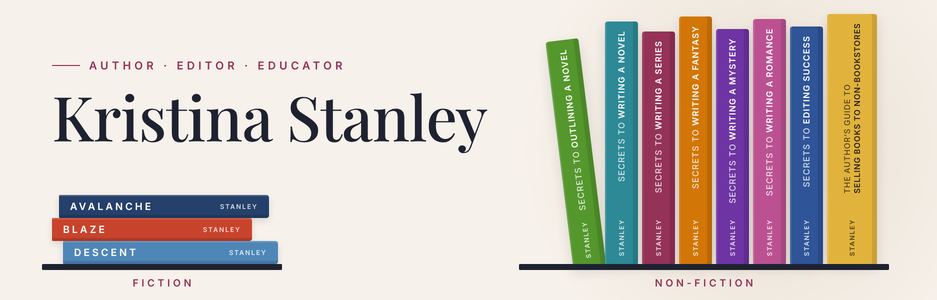
To learn more about Happily Ever Afters and other romance topics, pick up a copy of Secrets to Writing a Romance.
Post Written by Linda O’Donnell

Linda O’Donnell is a writer, certified structural editor, certified copy editor, and a writing and editing instructor. She co-authored Secrets to Writing a Romance with Kristina Stanley, and together they are working on their latest book, Secrets to Writing a Novel. Linda’s contemporary romance novel, Behind the Scenes, is coming out soon.
Share this:

Discover more from Kristina Stanley
Subscribe to get the latest posts sent to your email.