Cruising, Writing and Spreadsheets

Provisioning

Do we really need to eat this much? #sailing #writetip

I think I’ve turned into a spreadsheet junky.

I have just reached a first draft of my third novel. Now I study the spreadsheet I created as I was writing the novel, decide at the best order of scenes, where the chapter breaks should be, do I have enough scenes with the main characters, etc.

As if my head wasn’t exploding with details,  but I was feeling so productive and decided it was time to do some provisioning.  So out came spreadsheet number two. After two years of updating this spreadsheet, I know exactly how much food we eat.

Every season, I write down when we run out of food or if we have left overs at the end of the season. It’s getting pretty accurate. During the season I add lines if there is something we were missing. Last year, I didn’t bring enough honey. One little bottle. What was I thinking? I love honey.

Today it’s back to my writing spreadsheet and the hard work of editing that first draft.

Related links:

Keeping Track of Details

Preparations for Cruising

Vero Beach, FL Mooring Field

The boats are starting to line up in the Vero Beach mooring field. #sailing

As I sit in my cockpit working on my novel, I can’t help but stop and enjoy the view. I should really be provisioning, as this is the time of year we get ready to cross the Gulf Stream and head for the Bahamas.

It’s an exciting time to be a cruiser in Florida. Many of our friends who cruise are arriving and each day we look forward to seeing who is in the mooring field. Some have passed us already and are farther south. Some are still farther north haven’t caught up to us.

Our catamaran, Mattina, is almost  ready to go. Systems have been tested and maintained. spare parts ordered. Now the big task of provisioning begins.

Repeated Words

How do you know if you are using a word to many times? #writetip Check out Wordle. I’m probably the last to know about this, but it’s cool. Wordle creates a word cloud in which your words get bigger the more often they appear in the text.

I uploaded my first chapter of my third novel and what I got back was a visual of the words. I found out that my protagonists names was used the most – it was the largest. The names of characters got smaller as their importance in the story reduced.

This is just one more way to validate you are doing the right thing. How fun is this writing business? I learn something new every day.

One Chapter, Two Experts

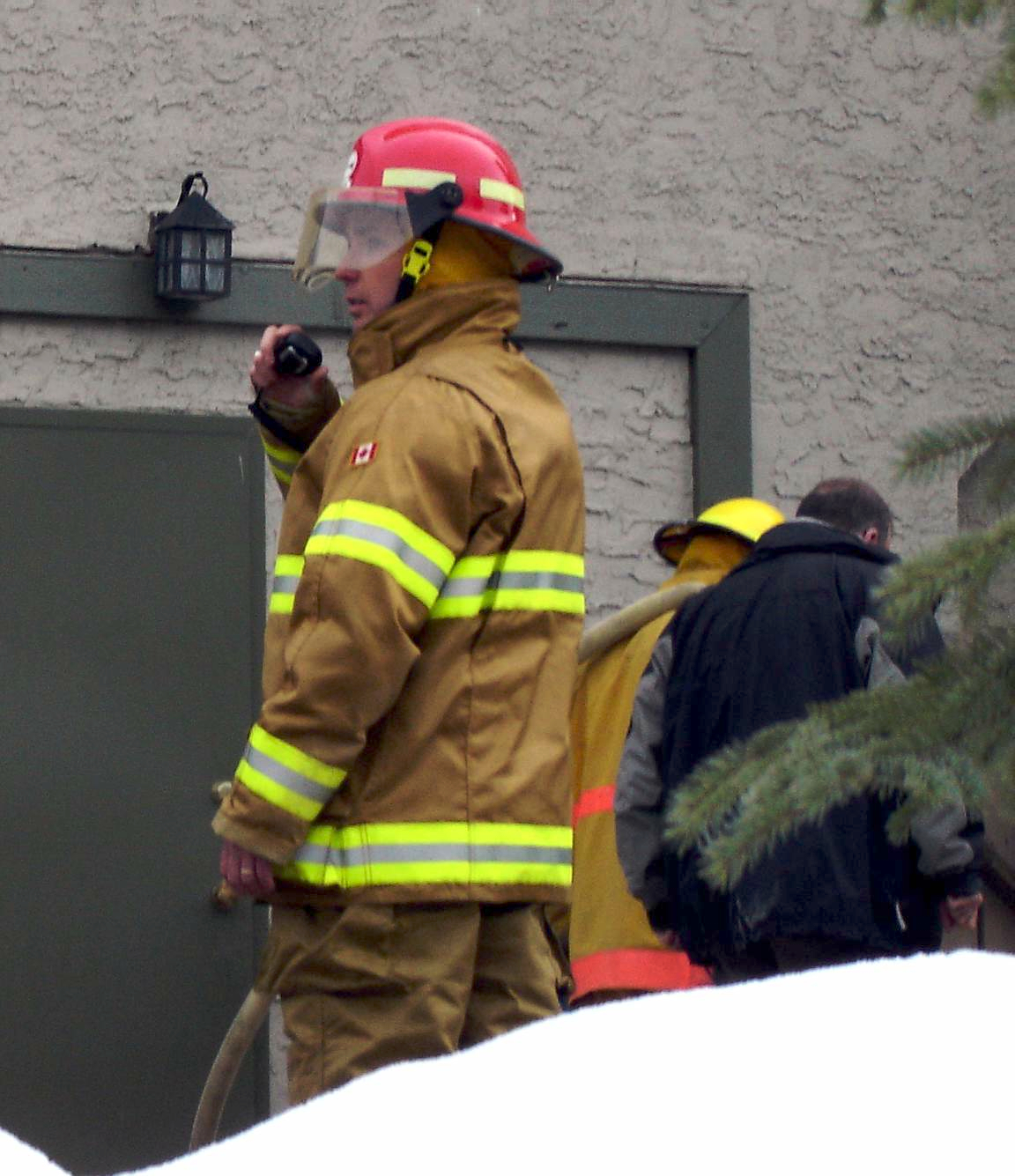
Billy on duty with the Panorama Fire Department - the years before Calgary

One family, two experts. #writetip I find myself writing a chapter about a woman having a baby while trapped by a forest fire. So what do I need? A new mom and a firefighter. Lucky for me Billy Stewart, Firefighter with the Calgary Fire Department and Adrienne Stewart, new mom to a handsome boy, Noah, not only answered my questions but are going to read the chapter and critique it.

Making a scene believable depends on the details a writer provides and experts help a writer get the details correct.

How could I know how firefighters puts on their uniforms or what gear they carry in different situations or what they worry about when surrounded by flames?

Only a new mom could tell what they might be thinking if they were trapped by a fire and having their baby.

These little details bring reality to a scene.

But when is the right time to ask for help? I wait until I have a scene written before I ask too many questions. This way, I’m as certain as I can be about the direction of the scene, I know where my knowledge is weak, and I won’t waste the experts time.

This is a big shout out to Billy and Adrienne for helping me create a better story.

Cruising with Manatees

Have you ever seen manatees kiss? #sailing Part of the joy of cruising is the unexpected events that happen each day.

There are moments in life when it’s meant to be observed: life that is. How lucky was I to spot these manatees. Being a foot away from such magnificent creates made me stop and think.

I hide my head in the pages of the novel I’m writing and enjoy every moment of it, but what am I missing? Sometimes is pays to take a break!

Dog Parks While Cruising

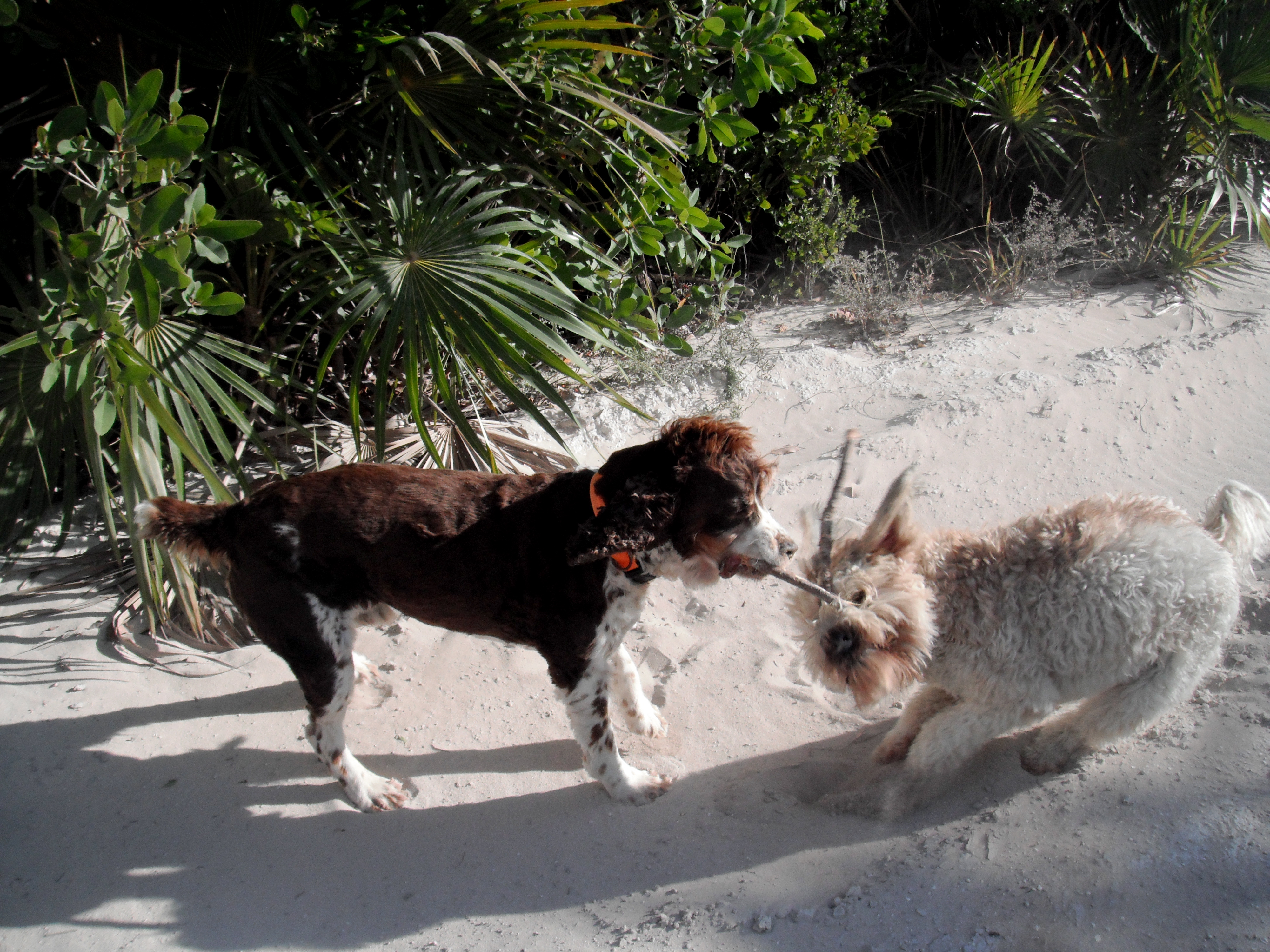
Dogs bring special needs with them onto a cruising boat. #sailing One of their needs is exercise. While in the U.S. or Canada is easy to find dog parks. When you pull into an anchorage, Google will find one for you if you don’t know where one is. Locals are always happy to point us in the direction of a good dog park.

Just north of the Titusville Municipal Marina in Florida is  a fenced in dog park. It’s split in two. Half designated for small dogs, half for big dogs. It has a double gate for entry, ensuring our pup can’t run away. It even has water. It was a nice surprise for us and for Farley.

There is a dog park near Vero Beach Municipal Marina, but it’s not fenced.

Seaside beaches in the U.S have varying rules for dogs. Some allow them, some don’t. We always check first before taking Farley for a run.

If you’re cruising to the Bahamas, dogs can run free on the beach. Some places have organized “doggy beach parties” depending on how many dogs are in an anchorage. It’s easy to start one up. Just get on the VHF and announce one.

“Who let the dogs out?” Woof Woof

Is your novel too long?

Has your agent/publisher asked you to shorten your novel by thousands of words? #writetip

Here’s what I did when my agent, Margaret Hart, suggested I pick up the pacing near the end of my first novel. I ended up cutting 6,000 words, but this technique will work for more/less words.

I re-read each scene and asked myself why I wrote it? Was is critical to the story? In no, I removed it. If yes, what was in the scene that I needed? In one scene I was revealing a piece of critical information. I added that information to another scene and cut the original scene. Poof, there went 1,000 words.

Next I analyzed each minor character. Could I combine two characters into one? This worked for cutting about 500 words.

Following that, I re-read the narrative and made notes on how I described characters or setting. By making notes, it enabled me to see where I had repeated myself. Another 500 words gone.

You can see I started big and worked my way to the little cuts. I think it made my novel a better story.

Any suggestions on how you do this?

Can you see every mark on the page?

It’s harder than I thought. #writetip. I like to use tools of the trade to help me perfect my work. I happen to use pages, but any good word processing program will help you check all marks on your page.

When you are checking details during a final proofread, turn on the “show invisibles” function of your software. I view the document at 200% or larger, set the colour of “invisibles” to a dark red (assuming your text is black), and then look at each character.

At this phase I’m looking for:

– one space only after each period.

– no spaces after an opening quote or before an end quote.

– no spaces after a paragraph or page break.

– no double spacing between words.

– etc.

This might seem like I’ve gone too far but I think it makes a manuscript a professional product. It takes time and makes your eyes tired, but in the end, it’s worth it.

What sense do you use to punctuate?

Some people hear a comma, some see it, and others follow the rules. #writetip What’s right for you?

For me, it’s a combination of all three. When I write my first draft, I like to hear the punctuation. Somehow it makes writing flow easier. I don’t worry about whether it’s right or wrong at this stage. I think this lets my natural style come out.

When I review the first draft, I pay attention to how punctuation looks. Does the page look too cluttered? Is my eye distracted by the noise? If it is, I check to see if I’ve overused any punctuation marks.

During my final proofread, before sending the novel to anyone, I check whether my punctuation follows the grammatical and syntactical units of my style guide. If it doesn’t, then I decide if I want to break a rule or follow it. I want my voice to come out, not that of the rules. I also don’t want to make glaring errors.

Like most things in life, punctuating a novel is a balance.